Sepak bola
Dari Wikipedia bahasa Indonesia, ensiklopedia bebas
Sepak bola

Dua orang pemain sedang berebut bola. |
| Induk organisasi |
FIFA |
| Nama lain |
Football, soccer, footy/footie, "the beautiful game", "the world game" |
| Pertama dimainkan |
Pertengahan abad ke-19 di Inggris |
| Data lengkap |
| Olahraga kontak fisik |
Ya |
| Jumlah pemain |
11 orang per tim |
| Pria/wanita |
Ya, kompetisi terpisah |
| Kategori |
Olahraga tim, Olahraga bola |
| Peralatan |
Bola sepak |
| Tempat bertanding |
Lapangan sepak bola |
| Dipertandingkan di Olimpiade |
1900 |
Sepak bola adalah
olahraga menggunakan
bola
yang dimainkan oleh dua tim yang masing-masing beranggotakan 11
(sebelas) orang. Memasuki abad ke-21, olahraga ini telah dimainkan oleh
lebih dari 250 juta orang di 200 negara, yang menjadikannya olahraga
paling populer di dunia.
[1][2][3][4] Sepak bola bertujuan untuk mencetak
gol sebanyak-banyaknya dengan menggunakan bola kulit ke
gawang lawan. Sepak bola dimainkan dalam
lapangan yang berbentuk persegi panjang, di atas
rumput atau
rumput sintetis.
Secara umum hanya
penjaga gawang saja yang berhak menyentuh bola dengan
tangan atau
lengan
di dalam daerah gawangnya, sedangkan 10 (sepuluh) pemain lainnya hanya
diijinkan menggunakan seluruh tubuhnya selain tangan, biasanya dengan
kaki untuk menendang,
dada untuk mengontrol, dan
kepala
untuk menyundul bola. Tim yang mencetak gol lebih banyak pada akhir
pertandingan adalah pemenangnya. Jika hingga waktu berakhir masih
berakhir imbang, maka dapat dilakukan undian,
perpanjangan waktu maupun
adu penalti, tergantung dari format penyelenggaraan kejuaraan.
[5]
Peraturan pertandingan secara umum diperbarui setiap tahunnya oleh induk organisasi sepak bola internasional (
FIFA), yang juga menyelenggarakan
Piala Dunia setiap empat tahun sekali.
[6]
Sejarah
Sejarah olahraga sepak bola dimulai sejak abad ke-2 dan -3 sebelum Masehi di
Cina.
[7] Di masa
Dinasti Han tersebut, masyarakat menggiring bola kulit dengan menendangnya ke jaring kecil.
[7] Permainan serupa juga dimainkan di
Jepang dengan sebutan
Kemari[8]. Di
Italia, permainan menendang dan membawa bola juga digemari terutama mulai abad ke-16.
[8]
Sepak bola modern mulai berkembang di
Inggris dan menjadi sangat digemari.
[7] Di beberapa kompetisi, permainan ini menimbulkan banyak kekerasan selama pertandingan sehingga akhirnya
Raja Edward III melarang olahraga ini dimainkan pada tahun 1365.
[7] Raja James I dari
Skotlandia juga mendukung larangan untuk memainkan sepak bola.
[7] Pada tahun 1815, sebuah perkembangan besar menyebabkan sepak bola menjadi terkenal di lingkungan
universitas dan
sekolah.
[7]
Kelahiran sepak bola modern terjadi di Freemasons Tavern pada tahun
1863 ketika 11 sekolah dan klub berkumpul dan merumuskan aturan baku
untuk permainan tersebut.
[8] Bersamaan dengan itu, terjadi pemisahan yang jelas antara olahraga
rugby dengan sepak bola (soccer).
[8] Pada tahun 1869, membawa bola dengan tangan mulai dilarang dalam sepak bola.
[7] Selama tahun 1800-an, olahraga tersebut dibawa oleh
pelaut,
pedagang, dan tentara Inggris ke berbagai belahan dunia.
[7]
Pada tahun 1904, asosiasi tertinggi sepak bola dunia (FIFA) dibentuk
dan pada awal tahun 1900-an, berbagai kompetisi dimainkan diberbagai
negara.
[7]
Posisi pemain

Penjaga gawang dalam sepak bola.
Pada dasarnya, satu tim sepak bola terdiri dari 1 orang
penjaga gawang, 2-4 orang pemain bertahan, (
fullbacks), 2-4 orang pemain tengah, dan 1-3 orang penyerang.
[9] Penjaga gawang adalah satu-satunya pemain yang boleh menggunakan tangan untuk melindungi gawang dari serangan lawan.
[9] Umumnya, penjaga gawang mengenakan pakaian yang berbeda dengan pemain lainnya.
[9] Pemain bertahan memiliki tugas utama untuk menghentikan serangan lawan.
[9]
Pemain tengah biasanya terdiri dari pemain tengah penyerang yang
bermain dekat dengan penyerang dan pemain tengah bertahan yang bermain
dekat dengan pemain bertahan.
[9] Penyerang memiliki tugas utama untuk mencetak gol ke gawang lawan.
[9]
Posisi dasar pemain dapat mengalami modifikasi menjadi berbagai pola atau taktik permainan.
[10] Beberapa pola pemain yang sering digunakan dalam berbagai kejuaraan adalah
4-4-2 (paling sering digunakan),
3-4-2-1 (kekuatan terletak di bagian tengah lapangan), serta
4-3-3 (formasi klasik dari tahun 1970-an yang sering digunakan oleh sistem
total football Belanda dan
Jerman Barat ).
[10]
Aturan
Lapangan permainan
Untuk pertandingan internasional dewasa, lapangan sepak bola
internasional yang digunakan memiliki panjang yang berkisar antara
100-120 meter dan lebar 65-75 meter.
[11]
Di bagian tengah kedua ujung lapangan, terdapat area gawang yang berupa
persegi empat berukuran dengan lebar 7.32 meter dan tinggi 2.44 meter.
[11] Di bagian depan dari gawang terdapat area pinalti yang berjarak 16.5 meter dari gawang.
[11] Area ini merupakan batas
kiper boleh menangkap bola dengan tangan dan menentukan kapan sebuah pelanggaran mendapatkan hadiah
tendangan pinalti atau tidak.
[11]
Lama permainan
Lama permainan sepak bola normal adalah 2 × 45 menit, ditambah istirahat selama 15 menit di antara kedua babak.
[11]
Jika kedudukan sama imbang, maka diadakan perpanjangan waktu selama
2×15 menit, hingga didapat pemenang, namun jika sama kuat maka diadakan
adu penalti.
[11]
Wasit dapat menentukan berapa waktu tambahan di setiap akhir babak
sebagai pengganti dari waktu yang hilang akibat pergantian pemain,
cedera yang membutuhkan pertolongan, ataupun penghentian lainnya. Waktu tambahan ini disebut sebagai
injury time atau
stoppage time.
[11]
Gol yang dicetak dalam perpanjangan waktu akan dihitung menjadi skor
akhir pertandingan, sedangkan gol dari adu penalti hanya menentukan
apabila suatu tim dapat melaju ke pertandingan selanjutnya ataupun tidak
(tidak mempengaruhi skor akhir).
[11] Pada akhir tahun 1990-an,
International Football Association Board (IFAB) memberlakukan sistem
gol emas (
golden gol) atau
gol perak (
silver gol) untuk menyelesaikan pertandingan.
[11]
Dalam sistem gol emas, tim yang pertama kali mencetak gol saat
perpanjangan waktu berlangsung akan menjadi pemenang, sedangkan dalam
gol perak, tim yang memimpin pada akhir babak perpanjangan waktu pertama
akan keluar sebagai pemenang.
[11] Kedua sistem tersebut tidak lagi digunakan oleh IFAB.
[11]
Pelanggaran

Wasit sedang memberikan kartu kuning.
Apabila pemain melakukan pelanggaran yang cukup keras maka wasit
dapat memberikan peringatan dengan kartu kuning atau kartu merah.
[12]
Pertandingan akan dihentikan dan wasit menunjukkan kartu ke depan
pemain yang melanggar kemudian mencatat namanya di dalam buku.
[12]
Kartu kuning merupakan peringatan atas pelanggaran seperti bersikap
tidak sportif, secara terus-menerus melanggar peraturan, berselisih
kata-kata atau tindakan, menunda memulai kembali pertandingan,
keluar-masuk pertandingan tanpa persetujuan wasit, ataupun tidak menjaga
jarak dari pemain lawan yang sedang melakukan tendangan bebas atau
lemparan ke dalam.
[12] Pemain yang menerima dua kartu kuning akan mendapatkan kartu merah dan keluar dari pertandingan.
[12]
Pemain yang mendapatkan kartu merah harus keluar dari pertandingan tanpa bisa digantikan dengan pemain lainnya.
[12]
Beberapa contoh tindakan yang dapat diganjar kartu merah adalah
pelanggaran berat yang membahayakan atau menyebabkan cedera parah pada
lawan, meludah, melakukan kekerasan, melanggar lawan yang sedang
berusaha mencetak gol, menyentuh bola dengan tangan untuk mencegah gol
bagi semua pemain kecuali penjaga gawang , dan menggunakan bahasa atau
gerak tubuh yang cenderung menantang, pemain yang berposisi sebagai
penjaga gawang melakukan hands ball di luar kotak penalti .
[12]
Wasit dan petugas pertandingan
Dalam pertandingan profesional, terdapat 4 petugas yang memimpin jalannya pertandingan, yaitu
wasit, 2 hakim garis, dan seorang petugas di pinggir tengah lapangan.
[13] Wasit memiliki peluit yang menandakan apakah saat berhenti atau memulai memainkan bola.
[13] Dia juga bertugas memberikan hukuman dan peringatan atas pelanggaran yang terjadi di lapangan.
[13] Masing-masing penjaga garis bertanggung jawab mengawasi setengah bagian dari lapangan.
[13] Mereka membawa bendera dengan warna terang untuk menandakan adanya pelanggaran, bola keluar, ataupun
offside.
[13] Biasanya mereka akan bergerak mengikuti posisi pemain belakang terakhir.
[13]
Petugas terakhir memiliki tugas untuk mencatat semua waktu yang
sempat terhenti selama pertandingan berlangsung dan memberikan info
mengenai tambahan waktu di akhir setiap babak.
[13] Petugas ini juga bertugas memeriksa pergantian pemain dan menjadi penghubung antara manajer tim dengan wasit.
[13] Dalam beberapa pertandingan, teknologi penggunaan
video atau penggunaan orang kelima untuk menentukan ketepatan keputusan wasit mulai digunakan.
[13] Misalnya yang menentukan apakah suatu bola telah melewati garis atau apakah seorang pemain berada dalam keadaan
offside ketika mencetak gol.
[13]
Kejuaraan Internasional

Permainan sepak bola wanita.
Kejuaraan sepak bola internasional terbesar ialah
Piala Dunia yang diselenggarakan oleh
Fédération Internationale de Football Association (FIFA).
[14] Piala Dunia diadakan setiap empat tahun sekali dan dimulai di
Uruguay pada tahun
1930.
[14] Pencetus ide tersebut adalah
Jules Rimet, seorang
pengacara dan
pengusaha Perancis yang terinspirasi setelah menonton
Olimpiade Paris tahun 1924.
[14]
Kompetisi international tertua di dunia adalah
Copa America yang mempertandingkan tim-tim dalam wilayah
Amerika Selatan setiap dua tahun sekali.
[15] Copa America pertama kali diadakan tahun 1916 dan diikuti oleh 10 negara yang akhirnya membentuk
The South American Football Confederation (Conmebol).
[15] Untuk wilayah
Amerika Utara,
The Confederation of North, Central American and Caribbean Association Football (
CONCACAF) menyelenggarakan kompetisi internasional setiap empat tahun sekali yang disebut
Piala Emas CONCACAF.
[16] Di kawasan
Asia, termasuk Australia dan Timor Leste negara-negara yang tergabung dalam
Asian Football Confederation (AFC), mengadakan kompetisi internasional pertama tingkat Asia pada tahun
1956 di
Hongkong yang disebut
Piala Asia.
[17] Pada tahun 1960, kompetisi tingkat regional
Eropa diadakan untuk pertama kalinya dengan nama
European Nations' Cup yang kemudian disebut sebagai UEFA European Championship (
Piala Eropa atau EURO).
[14] Di wilayah
Oseania (meliputi
Selandia Baru, dan berbagai
Kepulauan Pasifik), kompetisi international setiap dua tahun dimulai sejak tahun 1996 disebut
Piala Oseania.
[18] Untuk wilayah Afrika, kompetisi
Piala Afrika mulai diadakan sejak 1957 di
Khartoum.
[19]
Sepak bola di Indonesia
Sejarah sepak bola di
Indonesia diawali dengan berdirinya Persatuan Sepak Bola Seluruh Indonesia (PSSI) di Yogyakarta pada 19 April 1930 dengan pimpinan
Soeratin Sosrosoegondo.
[20] Dalam kongres PSSI di
Solo, organisasi tersebut mengalami perubahan nama menjadi
Persatuan Sepak Bola Seluruh Indonesia.
[20] Sejak saat itu, kegiatan sepak bola semakin sering digerakkan oleh PSSI dan makin banyak rakyat bermain di jalan atau
alun-alun tempat Kompetisi I
Perserikatan diadakan.
[21] Sebagai bentuk dukungan terhadap kebangkitan "Sepakbola Kebangsaan",
Paku Buwono X mendirikan
stadion Sriwedari yang membuat persepakbolaan Indonesia semakin gencar.
[21]
Sepeninggalan Soeratin Sosrosoegondo, prestasi
tim nasional sepak bola Indonesia tidak terlalu memuaskan karena pembinaan tim nasional tidak diimbangi dengan pengembangan organisasi dan kompetisi.
[21] Pada era sebelum tahun
1970-an, beberapa pemain Indonesia sempat bersaing dalam kompetisi internasional, di antaranya
Ramang,
Sucipto Suntoro,
Ronny Pattinasarani, dan
Tan Liong Houw.
[21] Dalam perkembangannya, PSSI telah memperluas kompetisi sepak bola dalam negeri, di antaranya dengan penyelenggaraan
Liga Super Indonesia,
Divisi Utama, Divisi Satu, dan Divisi Dua untuk pemain non amatir, serta Divisi Tiga untuk pemain amatir.
[21]
Selain itu, PSSI juga aktif mengembangkan kompetisi sepak bola wanita
dan kompetisi dalam kelompok umur tertentu (U-15, U-17, U-19,U21, dan
U-23).
[21]
Lihat pula
Organisasi
Jenis lainnya
Referensi
- ^ "Overview of Soccer". Encyclopædia Britannica. Diakses pada 4 Juni 2008.
- ^ Guttman, Allen (1993). "The Diffusion of Sports and the Problem of Cultural Imperialism". di dalam Eric Dunning, Joseph A. Maguire, Robert E. Pearton. The Sports Process: A Comparative and Developmental Approach. Champaign: Human Kinetics. hlm. 129. ISBN 0-88011-624-2. Diakses pada 26 Januari 2008.
"the game is complex enough not to be invented independently by many
preliterate cultures and yet simple enough to become the world's most
popular team sport"
- ^ Dunning, Eric (1999). "The development of soccer as a world game". Sport Matters: Sociological Studies of Sport, Violence and Civilisation. London: Routledge. hlm. 103. ISBN 0-415-06413-9. Diakses pada 26 Januari 2008. "During the twentieth century, soccer emerged as the world's most popular team sport"
- ^ Mueller, Frederick; Cantu; Van Camp, Steven (1996). "Team Sports". Catastrophic Injuries in High School and College Sports. Champaign: Human Kinetics. hlm. 57. ISBN 0-87322-674-7. Diakses pada 26 Januari 2008.
"Soccer is the most popular sport in the world and is an industry worth
over US$400 billion world wide. 80% of this is generated in Europe,
though its popularity is growing in the United States. It has been
estimated that there were 22 million soccer players in the world in the
early 1980s, and that number is increasing. In the United States soccer
is now a major sport at both the high school and college levels"
- ^ Sports-information.org Soccer. Diakses pada 9 Agustus 2011.
- ^ "2002 FIFA World Cup TV Coverage". FIFA. 5 Desember 2006. Diarsipkan dari yang asli pada 30 Desember 2006. Diakses pada 6 Januari 2008.
- ^ a b c d e f g h i Historyofsoccer.info History Of Soccer! 2006. Geno Jezek. Diakses pada 8 Agustus 2011.
- ^ a b c d Sportsknowhow.com, HISTORY OF SOCCER. Page 1-3. Diakses pada 9 Agustus 2011.
- ^ a b c d e f Soccerpositions.net Soccer Positions. Diakses pada 9 Agustus 2011.
- ^ a b Soccer-training-guide.com The Soccer Formations Guide. Diakses pada 10 Agustus 2011.
- ^ a b c d e f g h i j k Soccerwebsite.orgSoccer
Rules, dan untuk lapangan sepak bola nasional ( Indonesia ) yang
digunakan memiliki panjang antara 90-110 meter dan lebar 58-70 meter.
Diakses pada 9 Agustus 2011.
- ^ a b c d e f [hhttp://www.soccerhelp.com/Soccer_Tips_Dictionary_Terms_C.shtml Soccerhelp.com] Diakses pada 9 Agustus 2011.
- ^ a b c d e f g h i j About.com The Officials: An Explanation of Every Official's Function on the Field. Joshua Robinson. Diakses pada 10 Agustus 2011.
- ^ a b c d Oleole.com FIFA World Cup™ History. Diakses pada 10 Agustus 2011.
- ^ a b Napit.co.uk The Copa America. Diakses pada 10 Agustus 2011.
- ^ CONCACAF.com What is CONCACAF? Diakses pada 10 Agustus 2011.
- ^ AFC.com About AFC. Last modified 6 September 2007. Diakses pada 10 Agustus 2011.
- ^ Napit.co.uk The OFC Nations Cup. Diakses pada 10 Agustus 2011.
- ^ Napit.co.ukAfrican Cup of Nations. Diakses pada 10 Agustus 2011.
- ^ a b Apasih.com Sejarah Berdirinya Persatuan Sepak Bola Seluruh Indonesia (PSSI). Diakses pada 11 Agustus 2011.
- ^ a b c d e f PSSI-football.com Sejarah PSSI. Diakses pada 11 Agustus 2011.
istiano Ronaldo
From Wikipedia, the free encyclopedia
This article is about the Portuguese footballer. For the Brazilian footballer, see
Ronaldo. For other people named Ronaldo, see
Ronaldo (name).
Cristiano Ronaldo

Cristiano Ronaldo in Opalenica training camp (Poland), Euro 2012. |
| Personal information |
| Full name |
Cristiano Ronaldo dos Santos Aveiro |
| Date of birth |
5 February 1985 (age 27) |
| Place of birth |
Funchal, Madeira, Portugal |
| Height |
1.86 m (6 ft 1 in)[1] |
| Playing position |
Forward |
| Club information |
| Current club |
Real Madrid |
| Number |
7 |
| Youth career |
| 1993–1995 |
Andorinha |
| 1995–1997 |
Nacional |
| 1997–2002 |
Sporting CP |
| Senior career* |
| Years |
Team |
Apps† |
(Gls)† |
| 2002–2003 |
Sporting CP |
25 |
(5) |
| 2003–2009 |
Manchester United |
196 |
(118) |
| 2009– |
Real Madrid |
121 |
(133) |
| National team‡ |
| 2001–2002 |
Portugal U17 |
9 |
(6) |
| 2002–2003 |
Portugal U20 |
5 |
(3) |
| 2003 |
Portugal U21 |
6 |
(1) |
| 2004 |
Portugal U23 |
3 |
(1) |
| 2003– |
Portugal |
100 |
(37) |
* Senior club appearances and goals counted for the domestic league only and correct as of 12:30, 27 January 2013 (UTC).
† Appearances (Goals).
‡ National team caps and goals correct as of 20:20, 16 October 2012 (UTC) |
Cristiano Ronaldo dos Santos Aveiro,
[2] OIH, (born 5 February 1985),
[3] commonly known as
Cristiano Ronaldo, is a
Portuguese footballer who plays as a
forward for Spanish
La Liga club
Real Madrid and is the
captain of the
Portuguese national team. Ronaldo became the
most expensive footballer in history after moving from
Manchester United to
Real Madrid in a
transfer
worth £80 million (€93.9 million/$131.6 million). In addition, his
contract with Real Madrid, in which he is paid €12 million per year,
makes him one of the highest-paid footballers in the world,
[4] and his buyout clause is valued at €1 billion as per his contract.
[5]
Ronaldo began his career as a youth player for
Andorinha, where he played for two years, before moving to
C.D. Nacional. In 1997, he made a move to Portuguese giants
Sporting Clube de Portugal. Ronaldo caught the attention of
Manchester United manager
Alex Ferguson, who signed him for £12.24 million (€15 million) in 2003. The following season, Ronaldo won his first club honour, the
FA Cup.
Ronaldo was the first player to win all four main PFA and FWA awards, doing so in 2007. In 2008, Ronaldo won the
Ballon d'Or.
[6] He placed second in the Ballon d'Or in 2007, 2009, 2011 and 2012. He was awarded the
European Golden Shoe in both 2008 and 2011. In 2008, he won three of the four main PFA and FWA trophies and was named the
FIFPro Player of the Year,
World Soccer Player of the Year,
Onze d'Or, and the
FIFA World Player of the Year.
[7][8][9] In 2007 and 2008, Ronaldo was named
FWA Footballer of the Year. Ronaldo was the inaugural winner of the
FIFA Puskás Award in 2009.
Ronaldo holds numerous former and current scoring records, including
records for most goals scored in a season for Real Madrid, most goals
scored per minute in La Liga, first top European league player to reach
40 goals in a single season in two consecutive years, fastest Real
Madrid player to reach one hundred league goals, and the first player
ever to score against every team in a single season in La Liga.
Ronaldo is a Portuguese international and made his debut against
Kazakhstan in August 2003. He has since participated in five major tournaments;
UEFA Euro 2004, the
2006 FIFA World Cup,
UEFA Euro 2008, the
2010 FIFA World Cup and
UEFA Euro 2012. He scored his first international goal in the opening game of the Euro 2004 against
Greece, in addition to helping Portugal reach
the final.
He took over the captaincy of the side in July 2008 and went on to
captain Portugal to the semi-finals at the Euro 2012 and finished the
competition as the joint best scorer with three goals. On 16 October
2012, Ronaldo won his 100th cap against
Northern Ireland,
making him the third highest capped player for Portugal and became the
third youngest European to reach a century of international appearances.
[11] In October 2012, he became the first sportsperson to reach 50 million followers on
Facebook.
[12] Cristiano Ronaldo scored a hat-trick and passed the landmark of 300 club goals on January 27,2013.
[13][14]
Lionel Messi
From Wikipedia, the free encyclopedia
Lionel Messi

Messi playing for Barcelona |
| Personal information |
| Full name |
Lionel Andrés Messi[1] |
| Date of birth |
24 June 1987 (age 25)[1] |
| Place of birth |
Rosario, Argentina[1] |
| Height |
1.69 m (5 ft 7 in)[1] |
| Playing position |
Forward |
| Club information |
| Current club |
Barcelona |
| Number |
10 |
| Youth career |
| 1995–2000 |
Newell's Old Boys |
| 2000–2003 |
Barcelona |
| Senior career* |
| Years |
Team |
Apps† |
(Gls)† |
| 2003–2004 |
Barcelona C |
10 |
(5) |
| 2004–2005 |
Barcelona B |
22 |
(10) |
| 2004– |
Barcelona |
235 |
(202) |
| National team‡ |
| 2004̣–2005 |
Argentina U20 |
16 |
(11) |
| 2007–2008 |
Argentina U23 |
5 |
(2) |
| 2005– |
Argentina |
76 |
(31) |
|
|
* Senior club appearances and goals counted for the domestic league only and correct as of 20:28, 27 January 2013 (UTC).
† Appearances (Goals).
‡ National team caps and goals correct as of 23:30, 1 December 2012 (UTC) |
Lionel Andrés "
Leo"
Messi (
Spanish pronunciation: [ljoˈnel anˈdɾes ˈmesi], born 24 June 1987) is an Argentine
footballer who plays as a
forward for
La Liga club
FC Barcelona and the
Argentina national team. He serves as the captain of his country's national football team. By the age of 21, Messi had received
Ballon d'Or and
FIFA World Player of the Year nominations. The following year, in 2009, he won his first
Ballon d'Or[2] and
FIFA World Player of the Year awards. He followed this up by winning the inaugural
FIFA Ballon d'Or in
2010,
[3] and again in
2011[4] and
2012.
[5] He also won the 2010–11
UEFA Best Player in Europe Award. At the age of 24, Messi became Barcelona's all-time top scorer in all official club competitions.
[6] At age 25, Messi became the youngest player to score 200
La Liga goals.
[7][8]
Consistently rated by commentators, coaches and colleagues as the
best footballer in the world and as one of the greatest players in the
history of the game,
[9][10][11][12][13] Messi is the first football player in history to win four
FIFA/
Ballons d'Or, which he won consecutively. Messi has won five
La Ligas, two
Copas del Rey, five
Supercopas de España, three
Champions Leagues, two
Super Cups and two
Club World Cups. In March 2012, Messi made
UEFA Champions League history by becoming the first player to score five goals in one match, achieving the feat in a 7–1 win over
Bayer Leverkusen.
[14] He also matched
José Altafini's record of 14 goals in a single
Champions League season.
[15] Messi became the first player to top-score in four successive Champions League campaigns.
[16][17] He set the European record for most goals scored in a season during the 2011–12 season, with 73 goals.
[18] In the
same season, he set the current goalscoring record in a single
La Liga season, scoring 50 goals.
[19]
Messi was the top scorer of the
2005 FIFA World Youth Championship with six goals. In 2006, he became the youngest Argentine to play in the
FIFA World Cup and he won a runners-up medal at the
Copa América tournament the following year, in which he was elected young player of the tournament.
[20] In
2008, he won his first international honour, an Olympic gold medal, with the
Argentina Olympic football team.
Sportspro has rated Lionel Messi as the third most marketable athlete in the world.
[21] His playing style and stature have drawn comparisons to compatriot
Diego Maradona, who himself declared Messi his "successor".
[22]
Early life
Messi was born in
Rosario,
Santa Fe Province, to parents Jorge Horácio Messi, a factory steel worker, and Celia María Cuccittini, a part-time cleaner.
[23][24][25][26] His paternal family originates from the Italian city of
Ancona, from which his ancestor, Angelo Messi, emigrated to Argentina in 1883.
[27][28] He has two older brothers, Rodrigo and Matías, and a sister, María Sol.
[29] At the age of five, Messi started playing football for Grandoli, a local club coached by his father Jorge.
[30] In 1995, Messi switched to
Newell's Old Boys who were based in his home city Rosario.
[30]
He became part of a local youth powerhouse that lost only one match in
the next four years and became locally known as "The Machine of '87",
from the year of their birth.
[31]
At the age of 11, Messi was diagnosed with a
growth hormone deficiency.
[32] Local powerhouse
River Plate showed interest in Messi's progress, but were not willing to pay for treatment for his condition, which cost $900 a month.
[26] Carles Rexach, the sporting director of
FC Barcelona, had been made aware of his talent as Messi had relatives in
Lleida, and Messi and his father were able to arrange a trial with the team.
[26] Rexach, with no other paper at hand, offered Messi a contract written on a paper napkin.
[33][34]
Barcelona offered to pay for Messi's medical bills if he was willing to
move to Spain. Messi and his father moved to Barcelona where Messi
enrolled in the
club's youth academy.
[30][34]
Club career
Barcelona
Messi played in Barcelona's junior Infantil B and Cadete B & A
teams from 2000 to 2003 (scoring 37 goals in 30 matches in Cadete A).
Season 2003–04 saw him on a record
[35]
five different teams: He started one match in Juvenil B (one goal) and
got promoted to Juvenil A (14 matches, 21 goals). Later he debuted for
FC Barcelona C team (
Tercera División) on 29 November 2003 and for
FC Barcelona B (
Segunda División B)
on 6 March 2004. He played for both teams during the season (ten
matches, five goals and five games, zero goals, respectively).
[36][37][38]
Even before these two debuts, Messi made his official debut for the
first-team on 16 November 2003 aged 16 years and 145 days, in a
friendly match against
Porto.
[40]
Less than a year after his start,
Frank Rijkaard gave him his league debut against
RCD Espanyol
on 16 October 2004 (at 17 years and 114 days), becoming the
third-youngest player ever to play for Barcelona and youngest club
player who played in La Liga, which would be broken by
Bojan Krkić in September 2007. When he scored his first senior goal for the club against
Albacete Balompié
on 1 May 2005, Messi was 17 years, ten months and seven days old,
becoming the youngest to ever score in a La Liga game for Barcelona
[41] until it was again broken by Bojan Krkić in 2007, scoring from a Messi assist.
[42]
Messi said about his ex-coach Rijkaard: "I'll never forget the fact
that he launched my career, that he had confidence in me while I was
only sixteen or seventeen."
[43] During the season, Messi played also in Barcelona B (
Segunda División B) scoring 6 goals in 17 matches.
2005–06 season
On 16 September, for the second time in three months, Barcelona
announced an update to Messi's contract; this time it was improved to
pay him as a first team member and extended until June 2014.
[30] Messi obtained Spanish
citizenship on 26 September 2005
[44] and was finally able to make his debut in
the season's
Spanish First Division. Messi's first home outing in the
Champions League came on 27 September against Italian club
Udinese. Fans at Barcelona's stadium, the
Camp Nou, gave Messi a standing ovation upon his
substitution, as his composure on the ball and passing combinations with
Ronaldinho had paid dividends for Barcelona.
[45]
Messi netted six goals in 17 league appearances, and scored one
Champions League goal in six. His season ended prematurely on 7 March
2006, however, when he suffered a muscle tear in his right thigh during
the second leg of the second round Champions League tie against
Chelsea.
[46] Rijkaard's Barcelona ended the season as champions of Spain and Europe.
[47][48]
2006–07 season

Messi in a match against
Rangers in 2007
In the
2006–07 season, Messi established himself as a regular first team player, scoring 14 times in 26 matches. On 12 November, in the game against
Real Zaragoza, Messi suffered a broken
metatarsal, ruling him out for three months.
[50][51] On 10 March,
El Clásico saw Messi in top form, scoring a
hat-trick to earn 10-man Barcelona a 3–3 draw,
equalising three times, with the final equaliser coming in
injury time.
[52] In doing so he became the first player since
Iván Zamorano (for
Real Madrid in the 1994–95 season) to score a hat-trick in
El Clásico.
[53]
Messi is also the youngest player ever to have scored in this fixture.
Towards the end of the season he began finding the net more often; 11 of
his 14 league goals for the season came from the last 13 games.
[54]

Messi shortly before scoring a goal against Getafe
Messi also proved the "new Maradona" tag was not all hype, by nearly
replicating Maradona's most famous goals in the space of the single
season.
[55] On 18 April 2007, he scored two goals during a
Copa del Rey semi-final against
Getafe CF, one of which was very similar to Maradona's
famous goal against
England at the
1986 World Cup in Mexico, known as the
Goal of the Century.
[56] The world's sports press drew comparisons with Maradona, and the Spanish press labelled Messi as "Messidona".
[57]
He ran about the same distance, 62 metres (203 ft), beat the same
number of players (six, including the goalkeeper), scored from a very
similar position, and ran towards the corner flag just as Maradona did
in Mexico 21 years before.
[55] In a press conference after the game, Messi's team-mate
Deco said: "It was the best goal I have ever seen in my life."
[58] Against
RCD Espanyol Messi also scored a goal which was remarkably similar to
Maradona's 'Hand of God' goal against England
in the World Cup quarter-finals. Messi launched himself at the ball and
connected with his hand to guide the ball past the goalkeeper
Carlos Kameni.
[59] Despite protests by Espanyol players and replays showing it was clear
handball, the goal stood.
[59] During his time at
FC Barcelona, manager
Frank Rijkaard
decided to move Messi from the left flank onto the right wing,
initially against the player's wishes, allowing him to cut into the
centre of the pitch and shoot or cross with his left foot.
[60]
2007–08 season

Messi takes Barcelona to 2–0 against Sevilla at
Camp Nou on 22 September 2007
On 27 February, Messi played in his 100th official match for Barcelona against
Valencia CF.
[61]
Messi was nominated for a
FIFPro World XI Player Award under the category of Forward.
[62] A poll conducted in the online edition of the Spanish newspaper
Marca had him as the best player in the world with 77 percent of the vote.
[63] Columnists from Barcelona-based newspapers
El Mundo Deportivo and
Sport stated that the
Ballon d'Or should be given to Messi, a view supported by
Franz Beckenbauer.
[64] Football personalities such as
Francesco Totti have declared that they consider Messi to be one of the current best footballers in the world.
[65] Messi finished third in the
2007 Ballon d'Or, behind
Kaká and
Cristiano Ronaldo, and finished second in the
2007 FIFA World Player of the Year award, once again behind Kaká. He also came in third in the IFFHS World's Best Playmaker Award, once again behind Kaká and
Andrea Pirlo.
[66]
Messi was sidelined for six weeks following an injury on 4 March when
he suffered a muscle tear in his left thigh during a Champions League
match against
Celtic FC. It was the fourth time in three seasons that Messi suffered this type of injury.
[67]
Messi scored 6 goals and provided 1 assist during the Champions League
that season, as Barcelona were knocked out in the semi-finals, to the
eventual winners
Manchester United. When the season was over Messi had managed to score 16 goals and assisted 13 times in all competitions.
2008–09 season
Upon
Ronaldinho's departure from the club, Messi inherited his number 10 jersey.
[68] During this season he placed second in the
2008 FIFA World Player of the Year awards with 678 points and third in the 2008 IFFHS World's Best Playmaker Award for the second consecutive year.
[69]
Messi scored his first hat-trick of 2009 in a
Copa del Rey tie against Atlético Madrid which Barcelona won 3–1.
[70]
Messi scored another important double on 1 February 2009, coming on as a
second half substitute to help Barcelona defeat Racing Santander 1–2
after being 1–0 down. The second of the two strikes was Barcelona's
5000th league goal.
[71] On 8 April 2009, he scored twice against
Bayern Munich in the Champions League, setting a personal record of eight goals in the competition.
[72]
As Barcelona's season was drawing to a close, Messi scored twice (his
35th and 36th goals in all competitions) to cap a 6–2 win over Real
Madrid at the
Santiago Bernabéu[73] in what was Real's heaviest defeat since 1930.
[74] He won his first Copa del Rey on 13 May, scoring one goal and assisting another two, in a 4–1 victory over
Athletic Bilbao.
[75]
He helped his team win the double by winning La Liga. On 27 May he
helped Barcelona win the Champions League by scoring a second goal in
the 70th minute giving Barcelona a two goal lead; he also became the top
scorer in the Champions League, the youngest in the tournament's
history, with nine goals.
[76] Messi also won the
UEFA Club Forward of the Year: and the
UEFA Club Footballer of the Year rounding off a spectacular year in Europe.
[77] This victory meant Barcelona had won the Copa del Rey,
La Liga and Champions League in the one season,
[78] and was the first time a Spanish club had ever won the
treble.
[79] Messi finished the season with 38 goals and 18 assists in all competitions.
2009–10 season
—Diego Maradona, on the consequences if Messi won the 2010 World Cup [80]
After winning the
2009 UEFA Super Cup, Barcelona manager
Pep Guardiola asserted that Messi was probably the best player he had ever seen.
[81] This would also be the season in which Guardiola would first move Messi from the position of
right winger into his now iconic "
false-9" role in the centre of the front line at Barcelona.
[82]
On 18 September, Messi signed a new contract with Barcelona, running
until 2016 and with a buy-out clause of €250 million included, making
Messi, then along with
Zlatan Ibrahimović, the highest paid players in La Liga, with earnings of around €9.5 million yearly.
[83][84]
Messi was named winner of the
2009 Ballon d'Or on 1 December 2009, beating runner-up
Cristiano Ronaldo by largest ever margin of 473 to 233.
[85][86][87] He also placed 2nd in the 2009 IFFHS World's Best Playmaker Award.
[88] behind team mate
Xavi Hernández.
On 19 December, Messi scored the winner in the final of the
2009 Club World Cup against
Estudiantes in
Abu Dhabi, giving the club their sixth title of the year.
[89] Two days later, he was given the
FIFA World Player of the Year award,
[90] beating
Cristiano Ronaldo,
Xavi,
Kaká and
Andrés Iniesta to the award. This was the first time he had won the award, and he became the first Argentinian to ever receive this honour.
[91] On 10 January 2010, Messi scored his first
hat-trick in 2010 and his first hat-trick of the season against
CD Tenerife in the 0–5 victory,
[92] and on 17 January he scored his 100th goal for the club in the 4–0 victory over
Sevilla FC.
[93]
Messi scored a hat-trick against
Valencia CF in a 3–0 home win,
[94] and finally he scored another hat-trick against
Real Zaragoza in a 4–2 away win,
[95] becoming the first Barcelona player to score back-to-back hat-tricks in La Liga.
[96] He played his 200th official match for Barcelona against
CA Osasuna on 24 March 2010.
[97]
"Once he's on the run, Messi is unstoppable. He's the only player who can change direction at such a pace.
He is the best player in the world by some distance. He's (like) a
PlayStation. He can take advantage of every mistake we make."
On 6 April 2010, for the first time in Messi's career he scored four
goals in a single match, netting the lot in a 4–1 home win over
Arsenal in the
Champions League quarter-final second leg.
[100][101] This also saw him overtake
Rivaldo as Barcelona's all time greatest scorer in the competition.
[102] In the final league match of the season against Valladolid, he scored two goals in the second half to tie
Ronaldo's club record of 34 goals in a single league season, set in
1996–97,
[103][104] and to finish four goals behind the all-time record held by
Telmo Zarra.
[105] He was named La Liga
player of the year for the second year in a row on 3 June 2010.
[106] He finished the season with 47 goals in all competitions, tying
Ronaldo's record from the
1996–97 season, and he provided 11 assists.
[107]
2010–11 season
On 21 August 2010, Messi scored a hat-trick in his first start of the season in a 4–0 victory over
Sevilla FC in the
Supercopa de España, helping Barcelona secure their first trophy of the season after a 1–3 first leg loss.
[108]
On 19 September 2010, Messi suffered an ankle injury due to an ill-advised tackle by
Atlético Madrid defender
Tomáš Ujfaluši in the 92nd minute of their Round 3 match at the
Vicente Calderón Stadium.
At first sight it was feared that Messi suffered a broken ankle that
could have kept the star player away from the pitch for a minimum of six
months, but MRI performed the next day in Barcelona showed he suffered a
sprain in the internal and external ligaments of his right ankle.
[109] Team-mate
David Villa
stated "the tackle on Messi was brutal" after watching the video of the
play and also added that he believed the Atlético defender "didn't go
into the tackle to hurt".
[110] The incident caused widespread media attention and brought up the debate of equality in protecting all players in the game.
Against
UD Almería Messi scored his second hat-trick of the season in an impressive 8–0 away win, the second of which was his 100th
La Liga goal.
[111]

Messi playing against
Real Madrid in a Champions League match
Messi won the
2010 FIFA Ballon d'Or, beating his Barcelona teammates Xavi and Iniesta.
[112] Messi had been nominated for the awards for the fourth consecutive year.
[113]
On 5 February, Barcelona broke the record for most consecutive league
wins with 16 victories after they defeated Atlético Madrid 3–0 at the
Camp Nou.
[114]
Lionel Messi scored a hat-trick to ensure the victory for his side and
after the match he stated, "it's an honor to be able to pass a record
set by a great like
Di Stéfano"
and "if the record has been around for so long is because it's very
complicated to achieve and we have reached it by defeating a very
difficult team who's going through a bad situation, which makes it even
more difficult."
[115]
After failing to score for a month he scored a brace against
UD Almería; the second goal was his 47th of the season, equalling his club record return of the previous season.
[116] He surpassed his record on 12 April 2011 by scoring the winner against
Shakhtar Donetsk in a UEFA Champions League game, which put him in the record book as all time top scorer in a single season for Barcelona.
[117] He scored his eighth goal on
El Clásico on a 1–1 tie at the
Santiago Bernabéu Stadium. On 23 April, Messi scored his 50th goal of the season against
CA Osasuna in a 2–0 home victory which he came on as a substitute in the 60th minute.
[118] He finished the season by winning La Liga and scoring 31 goals as he finished runner-up in the
Pichichi trophy to
Cristiano Ronaldo, who had managed to score 40. Messi finished the league season as the top assist provider with 18 assists.
On 20 April, Barcelona were defeated by arch-rivals Real Madrid in
the 2011 Copa del Rey Final. Messi set up a goal for Pedro, which was
however ruled offside. Cristiano Ronaldo scored the only goal of the
match in extra time. Messi was however the joint top-scorer of the
tournament along with Cristiano Ronaldo, with 7 goals.
[119][120][120]
In the first leg of the
Champions League semi-finals, he gave a memorable performance, scoring twice against
Real Madrid
in a 2–0 win, the second goal (a dribble past several players) being
acclaimed as one of the best ever at that stage of the competition.
[121][122] At the
Champions League Final at
Wembley, Messi scored the eventual game-clinching goal to give Barcelona their third title in six years and fourth overall.
[123] This was also Messi's 12th goal in the Champions League that season, which allowed him to tie
Ruud Van Nistelrooy's record of 12 goals in a single European Cup season, after it was re-established as the
UEFA Champions League, in 1992.
[120] The overall record of goals scored in a single European Cup Season, is
José Altafini's record of 14 goals, which Messi did however equal in the following season.
[120] Messi finished the 2010–11 season with 53 goals and 24 assists in all competitions combined.
2011–12 season
Messi started the season by lifting the
Spanish Supercup with Barcelona, scoring three goals and providing two assists in a 5–4 aggregate win against
Real Madrid.
[124] His vital interventions continued in the next official match played against
Porto when he scored again following a weak back pass from
Fredy Guarín before setting up
Cesc Fàbregas to give Barcelona a 2–0 victory and the
UEFA Super Cup,
[125] then the only official competition that remained for him to score in.
[126]
After scoring his first goal of an eventual hat-trick in an 8–0 rout against
CA Osasuna,
Messi produced a special celebration for Soufian, a 10-year-old
Moroccan boy with Laurin Sandrow syndrome, a rare medical condition that
can eventually lead to the loss of the lower extremities. Whilst Messi
usually points to the sky after scoring a goal, Messi slapped his thighs
as a dedication to Soufian.
[127]
In August, Messi became the
second highest goalscorer surpassing
László Kubala on 194 goals, being behind only to
César Rodríguez on 232 goals in all official competitions.
[128]
On 28 September, Messi scored his first two
Champions League goals of the season against
BATE Borisov,
[129] becoming Barcelona's second highest goalscorer in its history, tying
László Kubala, at 194 goals in all official competitions.
[130] He surpassed that record when he scored two goals against
Racing Santander.
[131] He became second in Barcelona's La Liga goalscorers list with 132 goals, one more than Kubala.
[132] He scored his 200th Barcelona goal and two more as part of a hat-trick in his next game against
Viktoria Plzeň in the Champions League.
[133]
Messi scored a brace in the
Club World Cup Final against
Santos FC and was recognized as the
man of the match and also awarded the
Golden Ball for his performance during the tournament.
[134]
Messi won the 2011
UEFA Best Player in Europe Award, beating his
FC Barcelona team-mate
Xavi Hernández and
Real Madrid's
Cristiano Ronaldo. Messi won the
2011 FIFA Ballon d'Or, again beating his team-mate Xavi and Cristiano Ronaldo. By winning the
FIFA Ballon d'Or again, Messi become the fourth player to win three Ballon d'Ors, after
Johan Cruyff,
Michel Platini and
Marco Van Basten and the second player to win three consecutive Ballon d'Ors, after
Michel Platini
(although two of his Ballon d'Ors are FIFA Ballon d'Ors, which he won
consecutively). Messi also won the IFFHS World's Top Goal Scorer award,
with 19 goals in 2011.
[135]
On 19 February 2012, Messi, on his 200th
La Liga appearance, scored four goals against
Valencia CF in a 5–1 win.
[136]
On 7 March, Messi became the first player to score five goals in an
UEFA Champions League match since the tournament's re-establishment in
1992, helping the defending champions Barcelona win 7–1 against
Bayer Leverkusen.
[137]
On 20 March, Messi scored three goals against
Granada CF, making him
FC Barcelona's leading goalscorer in official competitions, surpassing club legend
César Rodríguez, who had previously held the record with 232.
[138]
On 3 April, Messi scored two goals from penalty kicks against Milan
in the second leg of the Champions League Quarter-final, allowing him to
surpass his personal record, joint with Ruud van Nistelrooy, of 12
goals in a single UEFA Champions League season. These goals allowed him
to tie José Altafini's record of 14 goals in a single European Cup
season in the 1962–63 season, before the tournament's re-establishment
as the UEFA Champions League in 1992.
[120]
Messi was unable to score in the semifinals, although he provided an
assist in the second leg, as Barcelona were knocked out to eventual
winners
Chelsea.
During the second leg match, Messi missed an important penalty, hitting
the crossbar. The goal would have put Barcelona ahead on aggregate.
[139]
On 11 April, Messi scored his 61st goal of the season against
Getafe CF, and made two assists.
[140] On 2 May, Messi scored a hat-trick against
Málaga CF surpassing
Gerd Müller's record (67 goals in 1972–73) with 68 goals, and thus becoming the best goalscorer in history in one season in Europe.
[141] It was the 21st multi-goal game of the season for Messi and his seventh
La Liga hat-trick.
[142] He then scored four goals on 5 May against
RCD Espanyol
to take his tally to an unprecedented 72 goals, in the process becoming
only the second player to pass 70 goals in a first division season
since
Archie Stark of
Bethlehem Steel in the
American Soccer League in 1924–25.
[18]
On 25 May, he scored again in the
2012 Copa del Rey Final,
helping Barcelona win their 26th Spanish Cup title, and increasing his
seasonal goalscoring record to an unmatched 73 goals in all
competitions.
[143][144]
This was also Guardiola's last match as Barcelona's manager, and the
Cup win marked Messi's second Copa del Rey title, after losing the final
the year before, as well as his 14th Barcelona trophy during
Guardiola's four seasons at the club. Although Barcelona failed to win
their 4th consecutive Liga title under Guardiola, finishing runners up
to arch-rivals Real Madrid, Messi finished the 2011–12 season as the top
goalscorer in La Liga for a second time, with a Liga record of 50
goals. He was the second best assist provider in La Liga that season
with 16 assists, after
Mesut Özil,
who managed 17. He also ended the season as the UEFA Champions' League
Top Scorer for a fourth consecutive time, with 14 goals.
[143] He was one of the top assist providers of the
tournament
with 5 assists and finished the season with 73 goals and 29 assists in
all club competitions, with more goals and assists than any other
player.
2012–13 season
During Barcelona's first game of the season against
Real Sociedad, Messi continued his goalscoring run with a brace in a 5–1 win at the
Camp Nou. Messi added another goal from a penalty in a 3–2 win against rivals
Real Madrid in the first leg of the
2012 Supercopa de España in
Barcelona on 23 August.
[145] He added another brace against
CA Osasuna as Barcelona came from behind away from home to beat them 2–1.
[146]
Messi added another goal from a free kick in the second leg of the
Supercopa de España, as Barcelona, down to ten men, were defeated by
Real Madrid on away goals.
[147] This marked his 15th goal in the
Clasico Real Madrid-Barcelona derby, which made him Barcelona's top scorer in Clasico matches, putting him tied with
Raúl, behind only
Alfredo Di Stefano, with 18 goals.
[148][149] Messi placed second along with Cristiano Ronaldo in the 2012
UEFA Best Player in Europe Award, with 17 votes each. The award was won by Messi's Barcelona team mate
Andrés Iniesta.
[150] In his third league appearance on 2 September against
Valencia CF, Messi assisted the only goal of the match, by team mate Adriano, from a short corner.
[151] Messi scored two more goals in a win against Getafe on 15 September
[152] and added another brace in his first Champion's League match of the season against
Spartak Moscow on 20 September, ending in a 3–2 win to Barcelona, also marking his tenth goal of the season.
[153]
"My record stood for 40 years - 85 goals in a year - and now the best
player in the world has broken it, and I'm delighted for him. He is an
incredible player, gigantic."
On 11 November, Messi scored twice at
RCD Mallorca, his 75th and 76th goals in 2012, surpassing
Pelé's milestone of 75 goals (1958) in a calendar year, and moved within nine of German legend
Gerd Müller's all-time
Guinness World Records title.
[155][156] His 77th and 78th goals came against
Real Zaragoza at
Camp Nou which moved Messi seven goals away from the record.
[157] On 20 November, Messi scored twice at
Spartak Moscow, his 79th and 80th goals of 2012 and moved to within five goals of the record.
[158] Messi continued his scoring run against
Levante UD on 25 November with his 81st and 82nd goals of the year which moved him within three goals of Müller.
[159] On 1 December, Messi scored twice against
Athletic Bilbao,
his 83rd and 84th goals of the year, meaning he pulled to within one
goal of Müller's record set in 1972. The two goals also meant Messi
equaled
Barcelona's all time leading goalscoring record in La Liga, which was held by
César Rodríguez with 190 goals.
[160] On 9 December, Messi scored twice against
Real Betis, his 85th and 86th goals in 2012, surpassing Müller's milestone of 85 goals scored in a calendar year in 1972 with
Bayern Munich and the
German national team, as well as surpassing Rodríguez's record for most league goals for Barcelona.
[161][162][163] On 12 December, Messi increased his record to 88, after scoring twice against
Córdoba CF in the first leg of a
Copa del Rey game.
[164] Messi then sent an autographed
Barcelona shirt to Müller in acknowledgement of beating his record.
[165] On 16 December, Messi scored twice in a 4–1 Barcelona victory against
Atlético Madrid, increasing his record to 90 goals.
[166] The tally found its end at 91 goals in a year after Messi scored once against
Real Valladolid.
On 18 December 2012, it was announced that Barcelona renewed the contract of Messi, extending it until 30 June 2018.
[167]
On 7 January 2013 odds-on favourite
[168] Messi won the
2012 FIFA Ballon d'Or, again beating Cristiano Ronaldo in second place with team-mate
Andrés Iniesta third. In doing this, Messi became the only player in history to win the Ballon d'Or four times.
[169] Messi described receiving the accolade as "really quite unbelievable" and "too great for words".
[170] The achievement fuelled media comparison on Messi with former greats of the sport such as
Diego Maradona and
Pelé.
[171][172]
On 27 January 2013, Messi scored 4 goals against in a 5-1 win against Osasuna, including his 200th goal in
La Liga, becoming the 8th player and the youngest player to do so.
[173] This brought his La Liga tally for the season up to 33, and his goalscoring total to 44 goals in all competitions.
International career
Often referred to as an
Argentinian-
Spanish player, this crossover was brought into sharp focus when in 2004, Lionel was offered the chance to play for the
Spanish national U-20 team. He declined the offer given his Argentinian heritage, and was given the opportunity to play for
Argentina's U-20 team in a
friendly match against
Paraguay in June 2004.
[174] Messi scored once against Paraguay and twice in friendly against Uruguay in July 2004.
[175] In 2005 he was part of a team that finished third in
2005 South American Youth Championship in Colombia. He won the
2005 FIFA World Youth Championship in the Netherlands with the team and won the
Golden Ball and the
Golden Shoe,
[176] scoring in the last four of Argentina's matches and netting a total of six for the tournament.
He made his full international debut on 17 August 2005 against
Hungary at the age of 18. He was substituted on during the 63rd minute, but was
sent off on the 65th minute because the referee,
Markus Merk, claimed that Messi had allegedly elbowed defender
Vilmos Vanczák, who was tugging Messi's shirt. The decision was contentious and
Maradona even claimed the decision was pre-meditated. Messi was later reportedly found weeping in the changing rooms after the decision.
[177][178] Messi returned to the team on 3 September in Argentina's 1–0
World Cup qualifier away defeat to
Paraguay. Ahead of the match he had said "This is a re-debut. The first one was a bit short."
[179] He then started his first game for Argentina against
Peru, in which he was able to win a crucial penalty for Argentina; after the match Pekerman described Messi as "a jewel".
[180] He scored his first goal for Argentina in a friendly match against
Croatia on 1 March 2006.
[181]
On 28 March 2009, in a World Cup Qualifier against
Venezuela,
Messi wore the number 10 jersey for the first time with Argentina. This
match was the first official match for Diego Maradona as the Argentina
manager. Argentina won the match 4–0 with Messi opening the scoring.
[182]
On 17 November 2010, Messi scored a
last-minute goal against South American rivals
Brazil after an individual effort to help his team to a 1–0 win in the
friendly match, which was held in
Doha. This was the first time that he had scored against Brazil at senior level.
[183] Messi scored another
last-minute goal on 9 February 2011 against
Portugal in a penalty kick which gave his side a 2–1 victory in the
friendly match, which was held in
Geneva, Switzerland. He had also previously assisted the first goal.
[184] His first hat-trick for
Albiceleste came against
Switzerland, on 29 February 2012 which the game ended 3–1 for
Argentina.
[185] On 9 June 2012, Messi scored his second international hat-trick in a friendly match against rivals
Brazil, including the match winner. The match ended 4–3 to Argentina and Messi was voted man of the match.
[186]
This brought his international goalscoring tally up to 26 goals in 70
matches, and brought his 2012 tally up to 7 goals in 3 matches. This was
also his record-breaking 82nd goal of the season, including all club
and international matches.
[187] These goals also made him the current fourth highest scorer for the
Argentinian National Team.
[188]
On 7 September, Messi scored his 28th goal for Argentina in a 3–1
victory against Paraguay in a World Cup Qualifying Match, sending them
to the top of the
CONMEBOL World Cup Qualifying
table. This was his 4th goal in the current World Cup Qualifying
campaign and his 8th overall in World Cup Qualifying matches, making him
the third highest scorer for Argentina in World Cup Qualifying matches.
[189] This was also his 10th consecutive goal for Argentina in the last 6 matches and his 9th in 5 matches played in 2012.
[190]
2006 World Cup
The injury that kept Messi from playing for two months at the end of the 2005–06 season jeopardised his presence in the
2006 World Cup.
Nevertheless, Messi was selected in the Argentina squad for the
tournament on 15 May 2006. He also played in the final match before the
World Cup against the Argentine U-20 team for 15 minutes and a friendly
match against
Angola from the 64th minute.
[191][192] He witnessed
Argentina's opening match victory against
Ivory Coast from the substitute's bench.
[193] In the next match against
Serbia and Montenegro, Messi became the youngest player to represent Argentina at a World Cup when he came on as a substitute for
Maxi Rodríguez in the 74th minute. He assisted
Hernán Crespo's
goal within minutes of entering the game and also scored the final goal
in the 6–0 victory, making him the youngest scorer in the tournament
and the sixth youngest goalscorer in the history of the
World Cup.
[194] Messi started in Argentina's following 0–0 draw against the
Netherlands.
[195] In the following
game against Mexico, Messi came on as a substitute in the 84th minute, with the score tied at 1–1. He appeared to score a goal, but it was ruled
offside with Argentina needing a late goal in
extra time to proceed.
[196][197] Coach José Pekerman left Messi on the bench during the quarter-final match against
Germany, which they lost 4–2 on a
penalty shootout.
[198]
2007 Copa América
Messi played his first game in the
2007 Copa América on 29 June 2007, when
Argentina defeated
United States 4–1 in the first game. In this game, he showed his capabilities as a
playmaker. He set up a goal for fellow striker
Hernán Crespo and had numerous shots on target. Tevez came on as a substitute for Messi in the 79th minute and scored minutes later.
[199]
His second game was against
Colombia,
in which he won a penalty that Crespo converted to tie the game at 1–1.
He also played a part in Argentina's second goal as he was fouled
outside the box, which allowed
Juan Roman Riquelme
to score from a freekick, and increase Argentina's lead to 3–1. The
final score of the game was 4–2 in Argentina's favor and guaranteed them
a spot in the tournament's quarterfinals.
[200]
In the third game, against
Paraguay the coach rested Messi having already qualified for the quarter-finals. He came off the bench in place of
Esteban Cambiasso in the 64th minute, with the score at 0–0. In the 79th minute, he assisted a goal for
Javier Mascherano.
[201] In the quarter-finals, as
Argentina faced Peru, Messi scored the second goal of the game, from a Riquelme pass in a 4–0 win.
[202] During the semi-final match against
Mexico, Messi scored a lob over
Oswaldo Sánchez to see Argentina through to the final with a 3–0 win.
[203] Argentina went on to lose 3–0 to
Brazil in the final.
[204] Messi was elected young player of the tournament.
[20]
2008 Summer Olympics
Having barred Messi from playing for
Argentina in the
2008 Olympics,
[205] Barcelona agreed to release him after he held talks with newly appointed coach
Pep Guardiola.
[206] He joined the Argentina squad and scored the first goal in a 2–1 victory over
Ivory Coast.
[206] He then scored the opening goal and assisted
Ángel di María in the second to help his side to a 2–1 extra-time win against the
Netherlands.
[207] He also featured in Argentina's match against rivals
Brazil,
in which Argentina took a 3–0 victory, thus advancing to the final. In
the gold medal match, Messi again assisted Di María for the only goal in
a 1–0 victory over
Nigeria.
[208]
2010 World Cup
For the 2010 World Cup, Messi wore the number 10 shirt for the first time in a major tournament.
[209] Messi played the entire game on
Argentina's opening match in the
2010 World Cup, the 1–0 victory against
Nigeria. He had several opportunities to score but was repeatedly denied by
Vincent Enyeama.
[210] Messi started in Argentina's following 4–1 win against
Korea Republic; he played in more of an attacking midfielder and playmaking role under Maradona,
[209][211][212] and participated in all of the goals of his team, helping
Gonzalo Higuaín score a
hat-trick.
[213] On the third and last group stage match Messi captained during Argentina's 2–0 win over
Greece, again being the centrepoint of Argentina's play and was voted
man of the match.
[214]
At the
Round of 16 he assisted
Carlos Tévez for the first goal in a 3–1 win against
Mexico. The World Cup ended for Argentina with a 4–0 loss against
Germany in the quarter-finals.
[215]
Messi was nominated in ten player shortlist for
Golden Ball award by FIFA Technical Study Group. The group identified Messi with words: "
Outstanding in his pace and creativity for his team, dribbling, shooting, passing – spectacular and efficient".
[216]
2011 Copa América
Messi took part in the
Copa América in Argentina, where he failed to score a goal but notched three assists. He was selected man-of-the-match in matches against
Bolivia (1–1) and
Costa Rica (3–0). Argentina were eliminated in the quarter-finals in a
penalty shoot-out against
Uruguay (1–1
a.e.t.), with Messi scoring as the first penalty taker.
Style of play

Messi, playing for Argentina in 2011, has been compared to compatriot
Diego Maradona
Messi has been compared to compatriot
Diego Maradona, due to their similar playing style and stature,
[217]
which gives him a lower centre of gravity than most players, allowing
him to be more agile and change direction more quickly, helping him to
evade tackles.
[218]
His short, strong legs allow him to excel in short bursts of
acceleration and his quick feet allow him to keep control of the ball
when dribbling at speed.
[219] His former
FC Barcelona manager,
Pep Guardiola, once stated: “Messi is the only player that runs faster with the ball than he does without it.”
[220] Like Maradona before him, Messi is dominantly a left footed player.
[221]
With the outside of his left foot, he usually begins dribbling runs,
whilst he uses the inside of his foot to finish and provide passes and
assists to team mates.
[218]
Messi often undertakes individual dribbling runs towards goal, in
particular during counterattacks, usually starting from the halfway
line, or the right side of the pitch, although he has also been
described as a versatile team player, with good vision, known for his
passing and his creative combinations, in particular with Barcelona team
mates
Xavi and
Iniesta.
[222][223][224] He is also an accurate set piece and penalty kick taker.
[225]
With regards to his dribbling ability, Maradona has said of Messi: "The
ball stays glued to his foot; I’ve seen great players in my career, but
I’ve never seen anyone with Messi's ball control."
[226] Maradona has stated that he believes Messi to currently be the greatest player in the world.
[227][228]
"Messi has his personality and I have mine. He has his game and I
have mine. I also play in a big club like him. We are different in every
aspect. But right now, he is the best."
Tactically, Messi plays a free
attacking and occasionally a
playmaking role,
[60] known for his finishing, pace, dribbling, balance, positioning, vision and passing ability.
[223][230] He is comfortable attacking on either wing or through the centre of the pitch.
[231] He began his career as a
left-winger and
forward, but was later moved onto the
right wing by former manager
Frank Rijkaard,
who noticed that from this position, Messi could cut through the
defence into the middle of the pitch more easily, allowing him to curl
shots on goal with his left foot, rather than predominantly crossing
balls for team mates.
[232] He has more recently played in a
false 9 role under Guardiola.
[233] This role is characterized by Messi's tendency to seemingly be playing as a
centre forward, or as a lone
striker,
although he will often run back into deep positions drawing defenders
with him, creating space for wingers, other forwards, and attacking
midfielders to make runs, allowing him to provide them with assists or
giving him space to begin dribbling runs, score goals or create
attacking plays.
[233] With the
Argentinian National team,
Messi usually plays anywhere along the front line. He began as a
forward or winger but has also played in a deeper role, in particular
under Maradona, in more of an
attacking midfield and
playmaking role.
[209][211][212] Messi revealed that he is a fan of the former Argentina playmaker
Pablo Aimar.
[234]
Personal life
Messi was at one stage romantically linked to Macarena Lemos, also from his hometown of
Rosario.
He is said to have been introduced to her by the girl's father when he
returned to Rosario to recover from his injury a few days before the
start of the
2006 World Cup.
[235][236] He has in the past also been linked to the Argentine
glamour model Luciana Salazar.
[237][238] In January 2009 he told "Hat Trick Barça", a programme on
Canal 33: "I have a girlfriend and she is living in Argentina. I am relaxed and happy".
[238] He was seen with the girl, Antonella Roccuzzo,
[239] at a carnival in
Sitges after the Barcelona-Espanyol derby. Roccuzzo is a fellow native of Rosario.
[240]
On 2 June 2012, Messi assisted and scored a goal in Argentina's 4–0 win
against Ecuador in a World Cup 2014 Qualifying match. He celebrated
scoring his 23rd goal for Argentina, by placing the ball under his
jersey, as his girlfriend is reportedly 12 weeks pregnant. She posted on
Twitter that she is expected to give birth in September.
[241]
Messi confirmed that the child, a son, would be born in October, and
that he and his girlfriend plan to name him Thiago. However, the birth
would occur later than expected. On 2 November 2012, Messi became a
father for the first time following the birth of his son Thiago. The FC
Barcelona's official website briefly stated "Leo Messi is a father".
Besides, the Argentine striker added on his Facebook page: "Today I am
the happiest man in the world, my son was born and thanks to God for
this gift!"
[31][242] Messi has two cousins also involved in football:
Maxi, a winger for
Club Olimpia of Paraguay, and
Emanuel Biancucchi, who plays as a midfielder for Paraguay's
Independiente F.B.C..
[243][244]
According to American writer
Wright Thompson,
Messi has maintained close ties to Rosario and his family since leaving
for Spain, and has gone to great lengths to maintain them. These ties
begin with his speech—to this day, Messi speaks Spanish with the
distinctive accent of Rosario, even though he has now lived in Spain as
long as he has in Rosario. He also keeps in daily contact via phone and
text with a small group of confidants from Rosario, most of them fellow
members of "The Machine of '87". One time when he was in training with
the Argentina national team in Buenos Aires, he made a three-hour trip
by car to Rosario immediately after practice to have dinner with his
family, spent the night with them, and then returned to Buenos Aires the
next day in time for practice. Messi has also kept ownership of his old
house in Rosario, although his family no longer lives in it; he
maintains a penthouse apartment in an exclusive residential building in
which his mother lives, as well as a family compound just outside the
city.
[31]
Charity
In 2007, Messi established the Leo Messi Foundation, a charity
supporting access to education and health care for vulnerable children.
[245][246]
In response to Messi's own childhood medical difficulties, the Leo
Messi Foundation has offered Argentine children diagnosed with illnesses
treatment in Spain and funds covering the transport, hospital and
recuperation costs.
[247] Messi's foundation is supported by his own fundraising activity with additional assistance from
Herbalife.
On 11 March 2010 Messi was announced as a
goodwill ambassador for
UNICEF.
[248]
Messi's UNICEF ambassador activities are aimed at supporting children’s
rights. Messi is supported in this by Barcelona, who also have a strong
association with UNICEF.
[249]
He and Newell's have also ended a long public feud. Messi funded the construction of a dormitory inside
Newell's stadium
for the club's youth academy, as well as a new gymnasium for the club.
For its part, Newell's has begun to embrace its ties with Messi, and
plans to issue a special club membership card to Messi's son.
[31]
Wealth
In March 2010,
France Football ranked him at the top of its list of the world's richest footballers, ahead of
David Beckham and
Cristiano Ronaldo, with £29.6 million (€33 million) in combined income from salaries, bonuses and off-field earnings.
[250][251] His net wealth is estimated at $110 millon.
[252]
Media
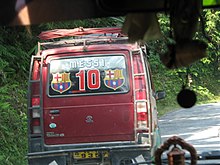
An example of Messi's popularity and influence. Photographed in India.
Messi was featured on the front covers of the video games
Pro Evolution Soccer 2009 and
Pro Evolution Soccer 2011 and is also involved in promotional campaigns for the games.
[253][254] Messi, along with
Fernando Torres,
[255] is the face of
Pro Evolution Soccer 2010, and was also involved in the
motion capturing and the
trailer.
[256][257][258]
However, in November 2011 Messi was confirmed as the new face of PES's
rival football series FIFA with his debut as a cover star of the series
coming in 2012's
FIFA Street. Messi was also chosen to be on the cover of
FIFA 13.
[259] Messi is sponsored by the German sportswear company
Adidas and features in their television advertisements.
[260] In June 2010, Messi also signed a three–year contract with Herbalife
[261] which further supports the Leo Messi Foundation.
Messi was named twice in the
Time 100, the magazine's annual list of the most influential people in the world, respectively in 2011
[262] and in 2012.
[263]
Also in April 2011, Messi launched a Facebook page and within a few
hours, his page had attracted more than six million followers. His
Facebook page had over 33 million followers in March 2012.
[264]
In September 2012, Messi became the global brand ambassador of
Turkish Airlines.
[265] Messi shot a commercial for the airline with
NBA star
Kobe Bryant. In the airline's latest commercial, the duo competes to win the attention of a young boy.
[266]
In 16 December 2012, Messi took the field against
Atlético Madrid in a
La Liga match wearing a pair of
adidas
adizero boots designed by a fan. Earlier in 2012, fans of the Messi
were given the unique opportunity to create a pair of adidas adizero
f50s by visiting the new miadidas configurator and submitting their
designs. Javier Pascual Mullor from Spain was identified as the lucky
winner from over 14,200 submitted entries.
[267] While on 13 January 2013, in a league match against
Málaga, Messi wore a special pair of adidas adizero F50 boots in order to commemorate his record 4th Ballon d'Or win.
[268]
In January 2013, Messi appeared in a short advert for Japanese face
wash Scalp-D. The advert showed the Argentine speaking a few Japanese
words.
[269]
Career statistics
Club
- As of 30 January 2013[36][270][271][272]
Reserve teams
Senior team
| Club |
Season |
League |
Cup |
UCL |
Supercup |
USC |
CWC |
Total |
| Apps |
Goals |
Apps |
Goals |
Apps |
Goals |
Apps |
Goals |
Apps |
Goals |
Apps |
Goals |
Apps |
Goals |
| Barcelona |
2004–05 |
7 |
1 |
1 |
0 |
1 |
0 |
— |
— |
— |
9 |
1 |
| 2005–06 |
17 |
6 |
2 |
1 |
6 |
1 |
— |
— |
— |
25 |
8 |
| 2006–07 |
26 |
14 |
2 |
2 |
5 |
1 |
2 |
0 |
1 |
0 |
— |
36 |
17 |
| 2007–08 |
28 |
10 |
3 |
0 |
9 |
6 |
— |
— |
— |
40 |
16 |
| 2008–09 |
31 |
23 |
8 |
6 |
12 |
9 |
— |
— |
— |
51 |
38 |
| 2009–10 |
35 |
34 |
3 |
1 |
11 |
8 |
1 |
2 |
1 |
0 |
2 |
2 |
53 |
47 |
| 2010–11 |
33 |
31 |
7 |
7 |
13 |
12 |
2 |
3 |
— |
— |
55 |
53 |
| 2011–12 |
37 |
50 |
7 |
3 |
11 |
14 |
2 |
3 |
1 |
1 |
2 |
2 |
60 |
73 |
| 2012–13 |
21 |
33 |
4 |
4 |
6 |
5 |
2 |
2 |
— |
— |
33 |
44 |
| Total |
235 |
202 |
37 |
24 |
74 |
56 |
9 |
10 |
3 |
1 |
4 |
4 |
362 |
297 |
International
- As of 14 November 2012[175][274][275]
International appearances
| Team |
Year |
Apps |
Goals |
| Argentina |
2005 |
5 |
0 |
| 2006 |
7 |
2 |
| 2007 |
14 |
6 |
| 2008 |
8 |
2 |
| 2009 |
10 |
3 |
| 2010 |
10 |
2 |
| 2011 |
13 |
4 |
| 2012 |
9 |
12 |
| 2013 |
0 |
0 |
| Total |
76 |
31 |
International goals
- Scores and results list Argentina's goal tally first.
| Goal |
Date |
Venue |
Opponent |
Score |
Result |
Competition |
| 1. |
1 March 2006 |
St. Jakob-Park, Basel, Switzerland |
 Croatia Croatia |
2–1
|
2–3
|
Friendly |
| 2. |
16 June 2006 |
WM-Stadion Gelsenkirchen, Gelsenkirchen, Germany |
 Serbia and Montenegro Serbia and Montenegro |
6–0
|
6–0
|
2006 World Cup |
| 3. |
5 June 2007 |
Camp Nou, Barcelona, Spain |
 Algeria Algeria |
2–2
|
4–3
|
Friendly |
| 4. |
5 June 2007 |
Camp Nou, Barcelona, Spain |
Algeria |
4–2
|
4–3
|
Friendly |
| 5. |
8 July 2007 |
Metropolitano de Fútbol de Lara, Barquisimeto, Venezuela |
 Peru Peru |
2–0
|
4–0
|
2007 Copa América |
| 6. |
11 July 2007 |
Polideportivo Cachamay, Puerto Ordaz, Venezuela |
 Mexico Mexico |
2–0
|
3–0
|
2007 Copa América |
| 7. |
16 October 2007 |
José Pachencho Romero, Maracaibo, Venezuela |
 Venezuela Venezuela |
2–0
|
2–0
|
2010 World Cup qualification |
| 8. |
20 November 2007 |
Estadio El Campín, Bogotá, Colombia |
 Colombia Colombia |
1–0
|
1–2
|
2010 World Cup qualification |
| 9. |
4 June 2008 |
Qualcomm Stadium, San Diego, United States |
Mexico |
2–0
|
4–1
|
Friendly |
| 10. |
11 October 2008 |
Estadio Monumental, Buenos Aires, Argentina |
 Uruguay Uruguay |
1–0
|
2–1
|
2010 World Cup qualification |
| 11. |
11 February 2009 |
Stade Vélodrome, Marseille, France |
 France France |
2–0
|
2–0
|
Friendly |
| 12. |
28 March 2009 |
Estadio Monumental, Buenos Aires, Argentina |
Venezuela |
1–0
|
4–0
|
2010 World Cup qualification |
| 13. |
14 November 2009 |
Vicente Calderón Stadium, Madrid, Spain |
 Spain Spain |
1–1
|
1–2
|
Friendly |
| 14. |
7 September 2010 |
Estadio Monumental, Buenos Aires, Argentina |
Spain |
1–0
|
4–1
|
Friendly |
| 15. |
17 November 2010 |
Khalifa International Stadium, Doha, Qatar |
 Brazil Brazil |
1–0
|
1–0
|
Friendly |
| 16. |
9 February 2011 |
Stade de Genève, Geneva, Switzerland |
 Portugal Portugal |
2–1
|
2–1
|
Friendly |
| 17. |
20 June 2011 |
Estadio Monumental, Buenos Aires, Argentina |
 Albania Albania |
2–0
|
4–0
|
Friendly |
| 18. |
7 October 2011 |
Estadio Monumental, Buenos Aires, Argentina |
 Chile Chile |
2–0
|
4–1
|
2014 World Cup qualification |
| 19. |
15 November 2011 |
Estadio Metropolitano Roberto Meléndez, Barranquilla, Colombia |
Colombia |
1–1
|
2–1
|
2014 World Cup qualification |
| 20. |
29 February 2012 |
Stade de Suisse Wankdorf, Bern, Switzerland |
 Switzerland Switzerland |
1–0
|
3–1
|
Friendly |
| 21. |
29 February 2012 |
Stade de Suisse Wankdorf, Bern, Switzerland |
Switzerland |
2–1
|
3–1
|
Friendly |
| 22. |
29 February 2012 |
Stade de Suisse Wankdorf, Bern, Switzerland |
Switzerland |
3–1
|
3–1
|
Friendly |
| 23. |
2 June 2012 |
Estadio Monumental, Buenos Aires, Argentina |
 Ecuador Ecuador |
3–0
|
4–0
|
2014 World Cup qualification |
| 24. |
9 June 2012 |
MetLife Stadium, East Rutherford, United States |
Brazil |
1–1
|
4–3
|
Friendly |
| 25. |
9 June 2012 |
MetLife Stadium, East Rutherford, United States |
Brazil |
2–1
|
4–3
|
Friendly |
| 26. |
9 June 2012 |
MetLife Stadium, East Rutherford, United States |
Brazil |
4–3
|
4–3
|
Friendly |
| 27. |
15 August 2012 |
Commerzbank-Arena, Frankfurt, Germany |
 Germany Germany |
2–0
|
3–1
|
Friendly |
| 28. |
7 September 2012 |
Estadio Mario Alberto Kempes, Córdoba, Argentina |
 Paraguay Paraguay |
3–1
|
3–1
|
2014 World Cup qualification |
| 29. |
12 October 2012 |
Estadio Malvinas Argentinas, Mendoza, Argentina |
Uruguay |
1–0
|
3–0
|
2014 World Cup qualification |
| 30. |
12 October 2012 |
Estadio Malvinas Argentinas, Mendoza, Argentina |
Uruguay |
3–0
|
3–0
|
2014 World Cup qualification |
| 31. |
16 October 2012 |
Estadio Nacional, Santiago, Chile |
Chile |
2–0
|
2–1
|
2014 World Cup qualification |
Honours
Barcelona
- La Liga: 2004–05, 2005–06, 2008–09, 2009–10, 2010–11
- Copa del Rey: 2008–09, 2011–12; Runner-up 2010–11
- Supercopa de España: 2005, 2006, 2009, 2010, 2011; Runner-up 2012
- UEFA Champions League: 2005–06, 2008–09, 2010–11
- UEFA Super Cup: 2009, 2011; Runner-up 2006
- FIFA Club World Cup: 2009, 2011
Argentina
Runner-up:
Third place
:
Individual
- FIFA Ballon d'Or (3): 2010, 2011, 2012. Created in 2010.
- Ballon d'Or (1): 2009. Ceased to exist in 2009.
- FIFA World Player of the Year (1): 2009. Ceased to exist in 2009.
- World Soccer Young Player of the Year (3): 2006, 2007, 2008.
- World Soccer Player of the Year (3): 2009, 2011, 2012.
- Onze d'Or (3): 2009, 2011, 2012. No winner in 2010.
- IFFHS World's Top Goal Scorer (2): 2011, 2012.[276]
- IFFHS World's best Top Division Goal Scorer (1): 2012.[277]
- Goal.com Player of the Year (2): 2009, 2011.
- El País King of European Soccer (4): 2009, 2010, 2011, 2012.[278]
- ESPY Best International Athlete (1): 2012.
- European Golden Shoe (2): 2010, 2012.
- UEFA Best Player in Europe Award (1): 2011. Created in 2011.
- UEFA Club Footballer of the Year (1): 2009. Ceased to exist in 2010.
- UEFA Team of the Year (5): 2008, 2009, 2010, 2011, 2012.
- UEFA Champions League Top Goalscorer (4): 2009, 2010, 2011, 2012.
- UEFA Champions League Forward of the Year (1): 2009. Ceased to exist in 2010.
- UEFA Champions League Final Man of the Match (1): 2011.
- FIFA U-20 World Cup Player of the Tournament (1): 2005.
- FIFA U-20 World Cup Top Goalscorer (1): 2005.
- FIFA Club World Cup Golden Ball (2): 2009, 2011.
- FIFA FIFPro World XI (6): 2007, 2008, 2009, 2010, 2011, 2012.
- FIFPro World Young Player of the Year (3): 2006, 2007, 2008.
- ESM Team of the Year (6): 2005–06, 2007–08, 2008–09, 2009–10, 2010–11, 2011–12.
- Pichichi Trophy (2): 2010, 2012.
- Copa del Rey Top Goalscorer (1): 2010–2011.
- La Liga Player of the Year (3): 2009, 2010, 2011.
- La Liga Foreign Player of the Year (3): 2007, 2009, 2010. Ceased to exist in 2010.
- La Liga Ibero-American Player of the Year (5): 2007, 2009, 2010, 2011, 2012.
- LFP Best Player (3): 2009, 2011, 2012. No winner in 2010.
- LFP Best Forward (3): 2009, 2011, 2012. No winner in 2010.
- Marca Leyenda (1): 2009.
- Bravo Award (1): 2007.
- Copa América Young Player of the Tournament (1): 2007.
- European Golden Boy (1): 2005.
- Olimpia de Oro (1): 2011.
- Olimpia de Plata (7): 2005, 2007, 2008, 2009, 2010, 2011, 2012.[279]
Records
- As of 29 January 2013[5][280][281][282][283][284][285][286]
World
Europe
Argentina
- Most goals scored in a year (national team): 12 goals (shared with Batistuta)
Spain
Barcelona
References
- ^ a b c d "Messi – Lionel Andrés Messi – Sheet | FC Barcelona". FC Barcelona. Retrieved 6 January 2012.
- ^ "Messi världens bästa fotbollsspelare". Eurosport. 12 January 2009. Retrieved 23 March 2010.
- ^ "Golden duo on top of the world". FIFA. Retrieved 7 January 2013.
- ^ "Messi, Sawa crowned at glittering Gala". FIFA. 9 January 2012. Retrieved 9 January 2012.
- ^ a b "Messi, Wambach, del Bosque and Sundhage triumph at FIFA Ballon d’Or 2012". FIFA.com. Retrieved 7 January 2013.
- ^ "Magical Messi becomes Barcelona's all-time leading goalscorer after grabbing hat-trick". Daily Mail (London). Retrieved 27 June 2012.
- ^ http://soccernet.espn.go.com/news/story/_/id/1316048/messi-scores-four-goals-to-pass-200-in-la-liga?cc=4716
- ^ http://www.telegraph.co.uk/sport/football/players/cristiano-ronaldo/9831706/Cristiano-Ronaldo-and-Lionel-Messi-reach-scoring-milestones-with-hat-tricks.html
- ^ "Simunic: Messi’s the best of all time". FIFA. Retrieved 12 December 2012.
- ^ Smith, Ben. "Lionel Messi: Goals record caps golden year for Barcelona star". BBC Sport. Retrieved 12 December 2012.
- ^ Daniels, David. "Lionel Messi: Superstar Striker Is Best Footballer in World". Bleacher Report. Retrieved 12 December 2012.
- ^ "Lionel Messi hailed as 'incredible' and 'gigantic' by Gerd Muller after Barcelona star breaks record for most goals". Telegraph Sport. Retrieved 12 December 2012.
- ^ "Arsène Wenger hails Barcelona's Lionel Messi after four-goal display". The Guardian. Retrieved 12 December 2012.
- ^ "Messi scores 5 goals against Bayer Leverkusen". UEFA. 6 March 2012. Retrieved 6 March 2012.
- ^ "Messi on the spot to send Milan out". FIFA. 3 April 2012. Retrieved 28 July 2012.
- ^ "Messi, máximo goleador de la Champions por cuarto año consecutivo". Retrieved 19 May 2012.
- ^ "UEFA.com – Statistics – UEFA Champions League 2011–12 Top Goalscorers". Retrieved 19 May 2012.
- ^ a b "Barcelona 4–0 Espanyol | guardian.co.uk". The Guardian. Associated Press (London). 5 May 2012. Retrieved 28 July 2012.
- ^ "Messi Breaks La Liga Scoring Record". Fox News Channel. 3 May 2012. Retrieved 27 June 2012.
- ^ a b "Player Profile: Lionel Messi – Player to Watch". Retrieved 3 June 2012.
- ^ "MS Dhoni, Mary Kom world's 16th, 38th most marketable athletes". The Times of India. 26 June 2012.
- ^ "Maradona proclaims Messi as his successor". China Daily. Reuters. 25 February 2006. Retrieved 8 October 2006.
- ^ "El crack que desea victorias de regalo [The 'crack' who wants victories for presents]" (in Spanish). Canchallena.
- ^ Carlin, John (27 March 2010). "Lionel Messi: Magic in his feet". The Independent (UK). Retrieved 7 April 2010.
- ^ Veiga, Gustavo. "Los intereses de Messi" (in Spanish). Página/12. Retrieved 31 May 2009.
- ^ a b c Hawkey, Ian (20 April 2008). "Lionel Messi on a mission". The Times (London). Retrieved 30 May 2009.(subscription required)
- ^ Aguilar, Alexander (24 February 2006). "El origen de los Messi está en Italia" (in Spanish). Al Día. Retrieved 7 July 2009.
- ^ Cubero, Cristina (7 October 2005). "Las raíces italianas de Leo Messi" (in Spanish). El Mundo Deportivo. Retrieved 7 July 2009.
- ^ "Lionel Messi bio". NBC. Retrieved 30 May 2009.
- ^ a b c d Williams, Richard (26 February 2006). "Messi has all the qualities to take world by storm". The Guardian (London). Retrieved 3 May 2008.
- ^ a b c d Thompson, Wright (7 October 2012). "Here & Gone". Outside the Lines. ESPN FC. Retrieved 7 October 2012.
- ^ White, Duncan (4 April 2009). "Franck Ribery the man to challenge Lionel Messi and Barcelona". The Daily Telegraph (UK). Retrieved 7 July 2009.
- ^ FT Weekend Magazine, 28–29 May 2011, 'Lionel Messi' by Ronald Reng
- ^ a b "The new messiah". FIFA. 5 March 2006. Retrieved 25 July 2006.
- ^ Sandra Sarmiento & Jaume Marcet (18 September 2009). "From 'Infantil B' to World number one". FCBarcelona.com. Retrieved 9 January 2012.
- ^ a b "Leonel Messi, el prototipo del jugador total" (in Spanish). Retrieved 25 September 2011.
- ^ "Messi debuta en elBarça C en el derbifrente al Europa" (in Spanish). Retrieved 25 September 2011.
- ^ "Messi estará en el stage de Peralada" (in Spanish). Retrieved 25 September 2011.
- ^ Tutton, Mark and Duke, Greg (22 May 2009). "Profile: Lionel Messi". CNN. Retrieved 30 May 2009.
- ^ "Meteoric rise in three years". fcbarcelona.com. Retrieved 3 May 2008.
- ^ Nogueras, Sergi (21 October 2007). "Krkic enters the record books". fcbarcelona.cat. Retrieved 16 July 2009.
- ^ "Messi: "Rijkaard gave us more freedom"". soccerway.com. 10 December 2009.
- ^ "Good news for Barcelona as Messi gets his Spanish passport". The Star. 28 May 2005. Retrieved 29 May 2009.
- ^ "Ronaldinho scores the goals, Messi takes the plaudits". Reuters. Rediff. 28 September 2005. Retrieved 23 August 2006.
- ^ "Frustrated Messi suffers another injury setback". ESPN Soccernet. 26 April 2006. Retrieved 22 July 2006.
- ^ Wallace, Sam (18 May 2006). "Arsenal 1 Barcelona 2: Barcelona crush heroic Arsenal in space of four brutal minutes". The Independent (Paris). Retrieved 3 June 2009.
- ^ "Barca retain Spanish league title". BBC Sport. 3 May 2006. Retrieved 3 June 2009.
- ^ "Doctors happy with Messi op" (Press release). FCBarcelona.com. 14 November 2006. Retrieved 16 November 2006.
- ^ "Messi to miss FIFA Club World Cup". FIFA.com/Reuters. 13 November 2006. Archived from the original on 11 December 2007. Retrieved 18 January 2006.
- ^ Hayward, Ben (11 March 2007). "Magical Messi is Barcelona's hero". The Independent (UK). Retrieved 30 May 2009.
- ^ "Inter beat AC, Messi headlines derby". FIFA. 11 March 2007. Retrieved 30 May 2009.
- ^ White, Duncan (4 April 2009). "Lionel Messi 2006/07 season statistics". London: ESPN Soccernet. Retrieved 3 June 2009.
- ^ a b Lowe, Sid (20 April 2007). "The greatest goal ever?". The Daily Telegraph (UK). Retrieved 7 July 2009.
- ^ "Messi dazzles as Barça reach Copa Final". ESPN Soccernet. 18 April 2007.
- ^ "Can ‘Messidona’ beat Maradona?". The Hindu (Chennai, India). 14 July 2007.
- ^ Lowe, Sid (20 April 2007). "The greatest goal ever?". The Daily Telegraph (UK). Retrieved 7 May 2007.
- ^ a b Mitten, Andy (10 June 2007). "Hand of Messi saves Barcelona". The Times (UK). Retrieved 12 January 2008.
- ^ a b Ronald Reng (27 May 2011). "Lionel Messi". Financial Times. Retrieved 10 June 2012.
- ^ "Xavi late show saves Barca". FIFA. 27 February 2008. Retrieved 27 May 2009.
- ^ "FIFPro World XI". FIFPro. Retrieved 30 May 2009.[dead link]
- ^ Villalobos, Fran (10 April 2007). "El fútbol a sus pies" (in Spanish). Marca (Spain). Retrieved 7 July 2009.
- ^ Fest, Leandro. "Si Messi sigue trabajando así, será como Maradona y Pelé" (in Spanish). Sport (Spain). Retrieved 7 July 2009.
- ^ "Totti le daría el Balón de Oro a Messi antes que a Kaká" (in Spanish). Marca (Spain). 29 November 2007. Retrieved 7 July 2009.
- ^ "2007 IFFHS World's Best Playmaker Award". Retrieved 31 August 2012.
- ^ "Barcelona's Lionel Messi sidelined with thigh injury". Canadian Broadcasting Corporation. 5 March 2008. Retrieved 14 June 2009.
- ^ Sica, Gregory (4 August 2008). "Messi Inherits Ronaldinho's No. 10 Shirt". Goal.com. Retrieved 2 June 2009.
- ^ "2008 World's Best Playmaker Award". Retrieved 31 August 2012.
- ^ "Messi scores hat trick in Barca's 3–1 win over Atletico". Shanghai Daily. 7 January 2009. Retrieved 29 May 2009.
- ^ "Supersub Messi fires 5,000-goal Barcelona to comeback victory". Agence France-Presse. 1 February 2009. Retrieved 1 February 2009.
- ^ Logothetis, Paul (9 April 2009). "Barcelona returns to earth with league match". USA Today. Retrieved 7 July 2009.
- ^ Lowe, Sid (2 May 2009). "Barcelona run riot at Real Madrid and put Chelsea on notice". The Observer (Madrid). Retrieved 31 May 2009.
- ^ Macdonald, Paul (3 May 2009). "Real Madrid Fan Poll Says Barcelona Loss Is Most Painful In Club History". Goal.com. Retrieved 31 May 2009.
- ^ "Barcelona defeat Athletic Bilbao to win Copa del Rey". The Daily Telegraph (UK). 14 May 2009. Retrieved 28 May 2009.
- ^ "Messi sweeps up goalscoring honours". UEFA. 27 May 2009. Retrieved 4 June 2009.
- ^ "Messi recognised as Europe's finest". UEFA. 28 August 2009. Retrieved 30 August 2009.
- ^ "Barcelona win treble in style". Gulf Daily News. 28 May 2009. Retrieved 28 May 2009.
- ^ "Barcelona eclipse dream team with historic treble". Agence France-Presse. 31 May 2009. Retrieved 3 June 2009.
- ^ "Diego Maradona: Lionel Messi playing kick-about with Jesus". ESPN Soccernet. 8 April 2010. Retrieved 8 April 2010.
- ^ "Messi es el mejor jugador que veré jamás" (in Spanish). El Mundo Deportivo. 29 August 2009. Retrieved 29 August 2009.
- ^ "False 9: Guardiola's Barcelona Reinventing Total Football". Retrieved 10 June 2012.
- ^ "Leo Messi extends his stay at Barça". fcbarcelona.com. 18 September 2009. Retrieved 18 September 2009.
- ^ "Messi signs new deal at Barcelona". BBC Sport. 18 September 2009. Retrieved 18 September 2009.
- ^ "Barcelona forward Lionel Messi wins Ballon d'Or award". BBC Sport. 1 December 2009. Retrieved 1 December 2009.
- ^ "Messi wins prestigious Ballon d'Or award". ABC Sport. 1 December 2009. Retrieved 10 December 2009.
- ^ Barnett, Phil (1 December 2009). "Lionel Messi: A rare talent". The Independent (UK). Retrieved 10 December 2009.
- ^ "2009 IFFHS World's Best Playmaker Award". Retrieved 31 August 2012.
- ^ "Messi seals number six". ESPN Soccernet. 19 December 2009. Retrieved 21 December 2009.
- ^ . http://soccernet.espn.go.com/world-cup/story/_/id/767712/ce/uk/?cc=5739.
- ^ "FC Barcelona's Messi wins World Player of the Year". ESPN Soccernet. 21 December 2009. Retrieved 22 December 2009.
- ^ "Tenerife 0–5 Barcelona: Messi Masterclass Sees Barca Back On Top". Goal.com. 10 January 2010. Retrieved 11 January 2010.
- ^ Bogunyà, Roger (17 January 2010). "Messi 101: el golejador centenari més jove" (in Catalan). fcbarcelona.cat. Retrieved 17 January 2010.
- ^ Hedgecoe, Guy (14 March 2010). "Messi hat-trick as Barcelona beats Valencia 3–0". Sports Illustrated. Retrieved 8 November 2010.
- ^ Steinberg, Jacob (21 March 2010). "Lionel Messi sends warning to Arsenal with another hat-trick". The Guardian (London). Retrieved 22 March 2010.
- ^ "Nadie marcó dos ‘hat trick’ seguidos" (in Spanish). 23 March 2010. Retrieved 23 March 2010.
- ^ "Match facts: Barcelona v Inter". UEFA. 25 April 2010. Retrieved 8 November 2010.
- ^ "Arsene Wenger hails Lionel Messi as world's best player". BBC Sport. 7 April 2010. Retrieved 12 April 2010.
- ^ John Cross (6 April 2010). "Unstoppable Lionel Messi is like a PlayStation, says Arsenal boss Arsene Wenger after Barcelona Champions League masterclass". Mirrorfootball.co.uk. Retrieved 17 April 2010.
- ^ Logothetis, Paul (6 April 2010). "Messi scores four as Barcelona beats Arsenal 4–1". USA Today. Retrieved 8 November 2010.
- ^ "Arsène Wenger hails Barcelona's Lionel Messi after four-goal display". The Guardian. Press Association (London). 7 April 2010. Retrieved 13 January 2012.
- ^ Roach, Stuart (6 April 2010). "Barcelona 4–1 Arsenal". BBC Sport. Retrieved 6 April 2010.
- ^ Spain (4 May 2010). "Barcelona Striker Lionel Messi Could Equal Ronaldo's 34 Goal Haul In Primera Liga". Goal.com. Retrieved 2 June 2010.
- ^ "Lionel Messi Chases Ronaldo's Goal Record". Bleacher Report. 14 April 2010. Retrieved 2 June 2010.
- ^ "Messi Peroleh Gelar El Pichichi Dan Sepatu Emas". berita8.com. 17 May 2010. Retrieved 2 June 2010.
- ^ "Messi se corona como el mejor jugador de la Liga". Marca. Spain. 3 June 2010. Retrieved 3 June 2010.
- ^ "Messi Equals Ronaldo's Barcelona Record". Daily News (New York). 16 May 2010. Retrieved 16 June 2012.
- ^ "Barcelona 4–0 Sevilla: Brilliant Blaugrana Outclass Rojiblancos To Lift Supercopa". Goal.com. 22 August 2010. Retrieved 22 August 2010.
- ^ "Messi injured". FCBarcelona.cat. 20 September 2010. Retrieved 22 September 2010.
- ^ "Villa on Messi's injury". FCBarcelona.cat. 20 September 2010. Retrieved 22 September 2010.
- ^ "Jornada 12 – UD Almería 0–8 FC Barcelona". entradasfcbarcelona.com. 20 November 2010. Retrieved 22 November 2010.[dead link]
- ^ Chadband, Ian (10 January 2011). "Barcelona forward Lionel Messi wins the inaugural Fifa Ballon d'Or". The Daily Telegraph (London). Retrieved 10 January 2011.
- ^ "Argentina's Lionel Messi wins Fifa Ballon d'Or award". BBC Sport. 10 January 2011. Retrieved 10 January 2011.
- ^ "Barça set 16 wins consecutive league wins" (in Spanish). Marca. 5 February 2011. Retrieved 5 February 2011.
- ^ "Messi talks about the record" (in Spanish). Marca. 5 February 2011. Retrieved 5 February 2011.
- ^ "Messi desatascó al Barça antes del clásico". Retrieved 9 April 2011.
- ^ "Trámite resuelto y ahora... ¡a por el Madrid!". Retrieved 13 April 2011.
- ^ "Un punto que vale una Liga". Retrieved 16 April 2011.
- ^ "Copa del Rey Final 2011". The Guardian (London). 21 April 2011. Retrieved 28 May 2012.
- ^ a b c d e Nakrani, Sachin (20 April 2011). "Barcelona vs. Real Madrid – Live". The Guardian (London).
- ^ "Messi es el 'puto amo'". Retrieved 27 April 2011.
- ^ Lowe, Sid (5 May 2011). "The Good, the Bad and the Ugly in the aftermath of the Clásico series". Sports Illustrated. Retrieved 6 May 2011.
- ^ "Barcelona 3 Manchester United 1". BBC Sport. 28 May 2011. Retrieved 30 May 2011.
- ^ "Messi salvó al fútbol". Sport (Spain). 17 August 2011. Retrieved 17 August 2011.
- ^ "Súper Messi da la Supercopa al Barça". Sport (Spain). 26 August 2011. Retrieved 26 August 2011.
- ^ "El fútbol de Messi no tiene límites". Sport (Spain). 26 August 2011. Retrieved 26 August 2011.
- ^ "Lionel Messi dedicates goal to disabled 10-year-old boy". inside World Soccer. 21 September 2011.
- ^ "Messi, tras los pasos de Kubala" (in Spanish). Marca (newspaper). 27 September 2011. Retrieved 27 September 2011.
- ^ "El Barça se aficiona a las 'manitas'". Sport (Spain). 28 September 2011. Retrieved 28 September 2011.
- ^ "Messi iguala a Kubala y afirma que sería "hermoso" superar a César". Sport (Spain). 28 September 2011. Retrieved 28 September 2011.
- ^ "El Barça consolida su liderato con otro recital de Messi". Sport (Spain). 16 October 2011. Retrieved 16 October 2011.
- ^ "1, 2, 3... Messi responde otra vez". Sport (Spain). 29 October 2011. Retrieved 29 October 2011.
- ^ "Messi es infalible: hat trick... ¡y a octavos!". Sport (Spain). 1 November 2011. Retrieved 1 November 2011.
- ^ "Messi, el astro rey". Sport (Spain). 19 December 2011. Retrieved 19 December 2011.
- ^ "2011 IFFHS World's Top Goalscorer Award". Retrieved 31 August 2012.
- ^ "Lionel Messi Bio, Stats, News – Football / Soccer – – ESPN Soccernet". ESPN Soccernet. Retrieved 26 November 2010.
- ^ "Lionel Messi Bio, Stats, News – Football / Soccer – – ESPN Soccernet". ESPN Soccernet. Retrieved 26 November 2010.
- ^ "Barcelona 5–3 Granada: Messi breaks club goalscoring record as gap at top of La Liga is reduced to five points". Goal.com. 20 March 2012. Retrieved 20 March 2012.
- ^ "Messi and Ronaldo set to renew unprecedented scoring duel". Retrieved 7 September 2012.[dead link]
- ^ "Messi's 61st goal leads Barcelona past Getafe 4–0". Yahoo. Retrieved 14 November 2012
- ^ Marca.com
- ^ "Lionel Messi sets European record". Associated Press. ESPN. 2 May 2012. Retrieved 3 May 2012.
- ^ a b "Lionel Messi's Barcelona Season by the Numbers". Retrieved 25 May 2012.[dead link]
- ^ "Athletic de Bilbao vs Barcelona".
- ^ "Barcelona vs Real Madrid: 3–2 – Supercopa de España 2012". Retrieved 24 August 2012.
- ^ "Real Madrid falters at Gatafe while Barcelona builds five-point lead". Retrieved 31 August 2012.
- ^ "Cristiano Ronaldo seals Super Cup win for Real Madrid despite wonder free-kick from Lionel Messi". Retrieved 31 August 2012.
- ^ "Messi becomes Barcelona's all-time Clasico top scorer with free kick against Real Madrid". Retrieved 31 August 2012.
- ^ "Real Madrid beat Barcelona to win Spanish Super Cup". Retrieved 31 August 2012.
- ^ "Iniesta beats Messi & Ronaldo to UEFA award". Retrieved 31 August 2012.
- ^ "Barcelona vs. Valencia – Commentary – 2.9.2012". Retrieved 3 September 2012.
- ^ "Messi brace helps see off Getafe". Retrieved 27 September 2012.
- ^ "Messi brace bails out shaky Barca vs Spartak". Retrieved 17 September 2012.
- ^ "Gerd Müller hails 'incredible' record-breaking goalscorer Lionel Messi". The Guardian. 10 December 2012. Retrieved 23 December 2012.
- ^ "76 not out: Messi closing in on Muller after breaking Pele's record for most goals in a calendar year". Daily Mail. Retrieved 14 November 2012
- ^ "Lionel Messi eclipses Pelé with 76th goal of year in Barcelona victory". The Guardian. Retrieved 14 November 2012
- ^ "Messi does it again". Allaboutfcbarcelona.com. 17 November 2012. Retrieved 17 November 2012.
- ^ "Messi closing in on Muller record". Allaboutfcbarcelona.com. 20 November 2012. Retrieved 20 November 2012.
- ^ "Four-star Barca march on". Allaboutfcbarcelona.com. 25 November 2012. Retrieved 25 November 2012.
- ^ "Messi equals César’s record". fcbarcelona. 12 December 2012.
- ^ "Month by month, goal by goal... The diary of Messi's extraordinary record-breaking year". Daily Mail. Retrieved 10 December 2012
- ^ "Lionel Messi of Barcelona sets new goal-scoring record". BBC Sport. Retrieved 10 December 2012
- ^ Rogers, Iain (9 December 2012). "Messi sets record of 86 for goals in a year". Reuters. Retrieved 9 December 2012.
- ^ "88 and counting... Messi can't stop scoring as Barca striker doubles up to further exceed Muller's record". Daily Mail. Retrieved 13 December 2012
- ^ "Lionel Messi sends signed shirt to Gerd Müller". inside World Soccer. 10 January 2013.
- ^ "Messi reaches 90 goals as Barca win". espnstar.com. 16 December 2012. Retrieved 17 December 2012.
- ^ "Barça has renewed the contracts of Carles Puyol, Xavi Hernández and Leo Messi". FC Barcelona Official Website. 18 December 2012. Retrieved 18 December 2012.
- ^ Chowdhury, Saj (6 January 2013). "Ballon d'Or contenders Messi, Ronaldo and Iniesta in profile". BBC. Retrieved 7 January 2013.
- ^ "Messi crowned world's best for record fourth time". CNN. 7 January 2013. Retrieved 8 January 2013.
- ^ "Lionel Messi wins Ballon d'Or ahead of Ronaldo & Iniesta". BBC. 7 January 2013. Retrieved 8 January 2013.
- ^ Cairns, Dan (8 January 2013). "How does Lionel Messi stack up against football legends?". BBC. Retrieved 8 January 2013.
- ^ McNulty, Phil (8 January 2013). "Lionel Messi’s fourth Ballon d’Or confirms player’s legendary status". BBC. Retrieved 8 January 2013.
- ^ "Leo Messi breaks the 200-goal barrier in La Liga". Retrieved 28.1.12.
- ^ "Lionel Messi Biography". Lionelmessi.com. Archived from the original on 2 August 2008. Retrieved 7 July 2009.
- ^ a b Estreno espectacularde Messi. El Mundo Deportivo, 1 July 2004; Messi brilla otra vez con la Sub-20 albiceleste. El Mundo Deportivo, 4 July 2004
- ^ "FIFA World Youth Championship Netherlands 2005". FIFA. Retrieved 7 July 2009.
- ^ Vickery, Tim (22 August 2005). "Messi handles 'new Maradona' tag". BBC Sport. Retrieved 7 July 2009.
- ^ "Argentine striker Messi recalled for World Cup qualifier". People's Daily. 20 August 2005. Retrieved 7 July 2009.
- ^ "Messi tries again as Argentina face Paraguay". ESPN Soccernet. 2 September 2005. Retrieved 7 July 2009.
- ^ Homewood, Brian (10 October 2005). "Messi is a jewel says Argentina coach". Rediff. Retrieved 7 July 2009.
- ^ "Lionel MESSI enters Argentina Top 10". Retrieved 16 June 2012.
- ^ "Argentina 4–0 Venezuela: Messi the star turn". Allaboutfcbarcelona.com. 28 March 2009. Retrieved 7 July 2009.
- ^ "Magic Messi leads Argentina over Brazil". lionel-messi.co.uk. 17 November 2010. Retrieved 19 November 2010.
- ^ "Last-gasp Lionel Messi penalty secures entertaining victory over Portugal". lionel-messi.co.uk. 9 February 2011. Retrieved 9 February 2011.
- ^ "Marvellous Messi nets hat-trick to guide Albiceleste to friendly victory". lionel-messi.co.uk. 29 February 2011. Retrieved 29 February 2011.
- ^ "Argentina vs. Brazil: 4–3". The Daily Telegraph (London). 10 June 2012. Retrieved 10 June 2012.
- ^ "Lionel Messi's 2nd international hat trick leads Argentina over Brazil 4–3 in exhibition". Retrieved 10 June 2012.[dead link]
- ^ "Messi ends season with 82 goals". Retrieved 9


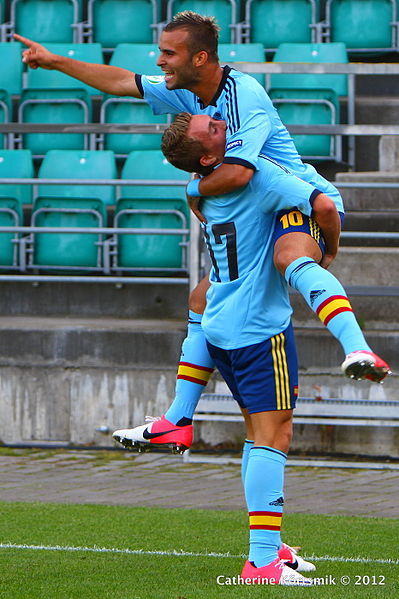
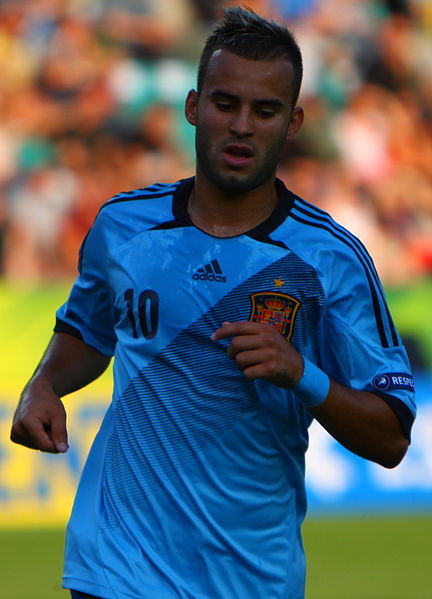
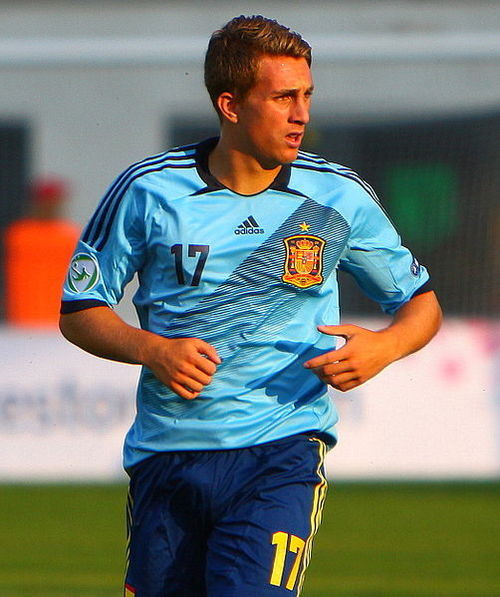
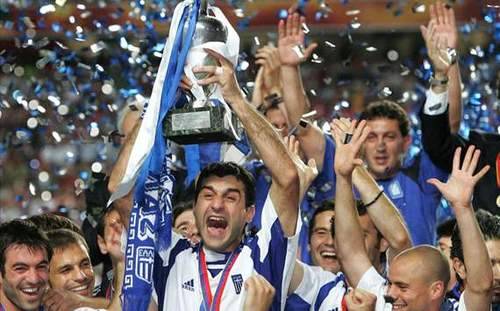
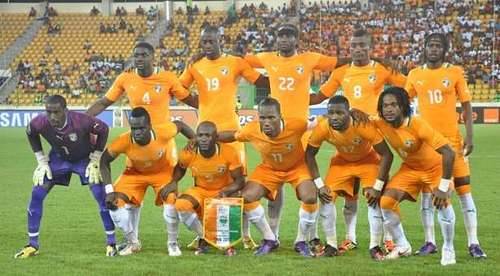
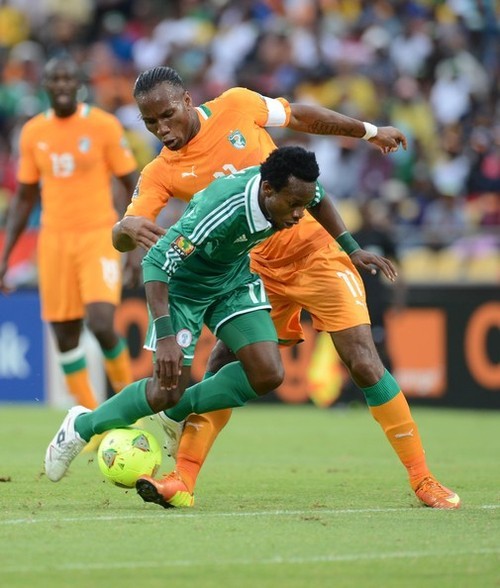
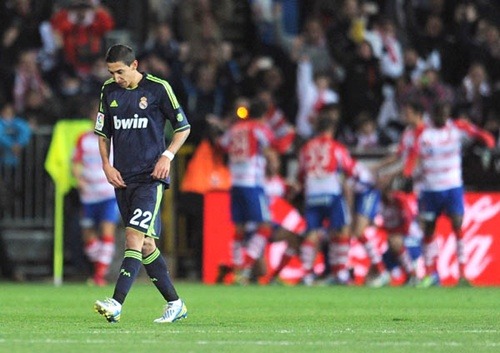


 Hal
ini berlaku juga di Italia, dimana Juventus berhasil menjadi juara
paruh musim dengan keunggulan 8 poin dari Lazio di peringkat 2. Sama
seperti Barcelona problem konsentrasi dan rotasi jadi problem utama.
Kita ingat musim lalu Juventus juara saat mereka hanya fokus pada
kompetisi domestik. Selain itu kurang tajamnya lini depan tetap menjadi
masalah klasik si nyonya tua ini. Tapi, Juve memiliki skuad gemuk yang
berisi pemain berkualitas sama serta barisan gelandang yang aktif
mencetak gol. Dua hal ini yang dijadikan Juve untuk menghadapi rintangan
yang akan dijumpai. Dibawah Juve bukanya tidak ada pesaing tapi para
anti-Juve ini sendiri masih belum mampu tampil konsisten tiap pekanya
dan juga jarak dari peringkat 2 hingga 6 yang hanya berjarak 4 poin
diperkirakan mereka akan sibuk bersaing merebut tempat ke kompetisi
eropa daripada menghalangi usaha Juve menjadi juara.
Hal
ini berlaku juga di Italia, dimana Juventus berhasil menjadi juara
paruh musim dengan keunggulan 8 poin dari Lazio di peringkat 2. Sama
seperti Barcelona problem konsentrasi dan rotasi jadi problem utama.
Kita ingat musim lalu Juventus juara saat mereka hanya fokus pada
kompetisi domestik. Selain itu kurang tajamnya lini depan tetap menjadi
masalah klasik si nyonya tua ini. Tapi, Juve memiliki skuad gemuk yang
berisi pemain berkualitas sama serta barisan gelandang yang aktif
mencetak gol. Dua hal ini yang dijadikan Juve untuk menghadapi rintangan
yang akan dijumpai. Dibawah Juve bukanya tidak ada pesaing tapi para
anti-Juve ini sendiri masih belum mampu tampil konsisten tiap pekanya
dan juga jarak dari peringkat 2 hingga 6 yang hanya berjarak 4 poin
diperkirakan mereka akan sibuk bersaing merebut tempat ke kompetisi
eropa daripada menghalangi usaha Juve menjadi juara. Pada Bundesliga Jerman, Bayern Muenchen berpeluang menjadi deuschermeister setelah
unggul 9 poin dari Bayer Leverkusen. Skuad merata,penampilan
konsisten,dan bebas dari kasus cedera menjadi faktor penguat lain untuk
menjadi juara. Terlebih Leverkusen masih dibayang-bayangi oleh juara
bertahan Dortmund. Tapi seperti kebanyakan klub eropa lainya,ujian bagi
Bayern akan tiba saat melakoni lanjutan Liga Champion melawan Arsenal
dan perjalanan di Piala Jerman. Namun hal ini juga terjadi pada
Leverkusen dan Dortmund. Sehingga bisa diprediksi tim yang nanti juara
Bundesliga ialah tim yang mampu membagi konsentrasi pada 3 ajang (2
domestik dan 1 eropa) dan mempertahankan performa terbaik mereka.
Pada Bundesliga Jerman, Bayern Muenchen berpeluang menjadi deuschermeister setelah
unggul 9 poin dari Bayer Leverkusen. Skuad merata,penampilan
konsisten,dan bebas dari kasus cedera menjadi faktor penguat lain untuk
menjadi juara. Terlebih Leverkusen masih dibayang-bayangi oleh juara
bertahan Dortmund. Tapi seperti kebanyakan klub eropa lainya,ujian bagi
Bayern akan tiba saat melakoni lanjutan Liga Champion melawan Arsenal
dan perjalanan di Piala Jerman. Namun hal ini juga terjadi pada
Leverkusen dan Dortmund. Sehingga bisa diprediksi tim yang nanti juara
Bundesliga ialah tim yang mampu membagi konsentrasi pada 3 ajang (2
domestik dan 1 eropa) dan mempertahankan performa terbaik mereka. Pada
liga Belanda terjadi persaingan ketat antara 5 tim. PSV Eindhoven
selaku pemimpin klasemen dengan 40 poin hanya unggul selisih gol dari FC
Twente. Dibawah mereka juga ada 2 tim berpoin sama 37 yakni Ajax
Amsterdam dan Feyenoord disusul Vitesse Arnhem dengan 35 poin. Situasi
terberat menjadi milik Ajax dengan menjadi wakil tunggal liga Belanda di
kompetisi eropa. Problem pembagian konsentrasi menjadi penghalang
utama. Sementara kontestan lain tinggal memfokuskan perhatian mereka
pada kompetisi domestik. Yang paling diuntungkan adalah Twente,dengan
tersingkirnya mereka dari Piala Belanda dan kualifikasi Liga Europa
perhatina mereka bisa difokuskan pada Liga saja. Vitesse sendiri tengah
naik daun dengan bintang mereka asal Pantai Gading, Wilfried Bony. Tapi
dengan absenya bony ke Piala Afrika dan hasil buruk di akhir paruh musim
mereka sedikit diragukan untuk bersaing,tapi sebagai sekedar pengganggu
masih berpotensi.
Pada
liga Belanda terjadi persaingan ketat antara 5 tim. PSV Eindhoven
selaku pemimpin klasemen dengan 40 poin hanya unggul selisih gol dari FC
Twente. Dibawah mereka juga ada 2 tim berpoin sama 37 yakni Ajax
Amsterdam dan Feyenoord disusul Vitesse Arnhem dengan 35 poin. Situasi
terberat menjadi milik Ajax dengan menjadi wakil tunggal liga Belanda di
kompetisi eropa. Problem pembagian konsentrasi menjadi penghalang
utama. Sementara kontestan lain tinggal memfokuskan perhatian mereka
pada kompetisi domestik. Yang paling diuntungkan adalah Twente,dengan
tersingkirnya mereka dari Piala Belanda dan kualifikasi Liga Europa
perhatina mereka bisa difokuskan pada Liga saja. Vitesse sendiri tengah
naik daun dengan bintang mereka asal Pantai Gading, Wilfried Bony. Tapi
dengan absenya bony ke Piala Afrika dan hasil buruk di akhir paruh musim
mereka sedikit diragukan untuk bersaing,tapi sebagai sekedar pengganggu
masih berpotensi. Situasi
di Prancis lebih ketat lagi dimana 3 tim memimpin klasemen dengan poin
yang sama hanya dibedakan selisih gol, yakni PSG,Lyon,dan Marseille. PSG
dengan dukungan dana melimpah menjadi unggulan pertama dalam pacuan
menuju gelar juara. Skuad gemuk dengan materi bintang menjadi senjata
utama mereka. Problem hanya sindrom ketergantungan mereka akan
Ibrahimovic dan konsentrasi di Liga Champion. Kehilangan Ibra berdampak
besar pada PSG dimana mereka sempat 3 partai tidak menang dan hanya
meraih 1 poin saat Ibra absen skorsing. Lyon menjadi pesaing kuat,selain
tinggal memfokuskan diri pada kompetisi domestik mereka juga ingi
bangkit dan berjaya seperti periode 2002-2008 saat mereka 7 kali
beruntun menjadi juara. Marseille sendiri memang langganan papan atas
liga perancis terlebih mereka sendiri ingin menebus prestasi buruk
mereka musim lalu yang hanya finis di posisi 10.
Situasi
di Prancis lebih ketat lagi dimana 3 tim memimpin klasemen dengan poin
yang sama hanya dibedakan selisih gol, yakni PSG,Lyon,dan Marseille. PSG
dengan dukungan dana melimpah menjadi unggulan pertama dalam pacuan
menuju gelar juara. Skuad gemuk dengan materi bintang menjadi senjata
utama mereka. Problem hanya sindrom ketergantungan mereka akan
Ibrahimovic dan konsentrasi di Liga Champion. Kehilangan Ibra berdampak
besar pada PSG dimana mereka sempat 3 partai tidak menang dan hanya
meraih 1 poin saat Ibra absen skorsing. Lyon menjadi pesaing kuat,selain
tinggal memfokuskan diri pada kompetisi domestik mereka juga ingi
bangkit dan berjaya seperti periode 2002-2008 saat mereka 7 kali
beruntun menjadi juara. Marseille sendiri memang langganan papan atas
liga perancis terlebih mereka sendiri ingin menebus prestasi buruk
mereka musim lalu yang hanya finis di posisi 10.